
Nursing Home Care Vs Home Nursing Care Services
Choosing the right care for yourself or a loved one is a big decision. You want comfort, safety, and support all in one place.
But should you consider nursing home care or home nursing care services? Both have their benefits, but which fits your needs best? This article will help you understand the key differences so you can make a choice you feel confident about.
Keep reading to discover what each option offers and how it can impact your daily life.
Credit: www.carevoyant.com
Nursing Home Care
Nursing home care provides a safe place for elderly or disabled people who need daily help. It offers medical support and personal care around the clock. Many families choose nursing homes when home care is not enough. This option ensures professional attention in a structured environment.
Types Of Nursing Homes
There are several types of nursing homes. Skilled nursing facilities offer medical care and therapy services. Assisted living homes focus on daily help with activities like eating and dressing. Some nursing homes specialize in memory care for people with Alzheimer’s or dementia. Each type fits different care needs and health conditions.
Services Offered
Nursing homes provide many services. These include 24-hour nursing care, medication management, and physical therapy. Meals, housekeeping, and personal hygiene help are also included. Social activities and support groups help residents stay active and engaged. Emergency medical care is available anytime.
Cost Factors
The cost of nursing home care varies. Location plays a big role in pricing. The level of medical care needed affects the cost. Private rooms cost more than shared rooms. Insurance, government aid, and personal funds help pay for care. Families should plan for both short and long stays.
Pros And Cons
Nursing homes provide constant medical care and social interaction. Staff are trained to handle emergencies and health changes. The facility offers many services in one place. On the downside, nursing homes may feel less personal than home care. Some residents miss the comfort of their own home. Costs can be high without proper financial support.

Credit: angelsoncallinc.com
Home Nursing Care Services
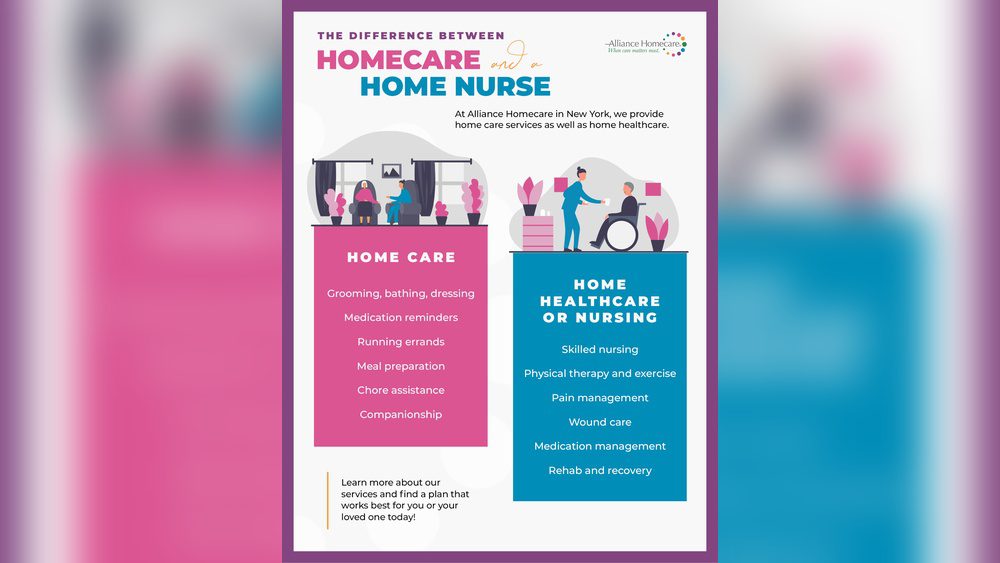
Home nursing care services bring medical support directly to a patient’s home. This type of care allows patients to stay in a familiar place while receiving professional help. It suits people recovering from illness or those with long-term health needs.
Many families choose home nursing care to ensure comfort and personalized attention. Skilled nurses visit regularly to assist with health management and daily activities. This service blends health care with the warmth of home.
Types Of Home Care
Home care includes several types of nursing support. Skilled nursing involves medical tasks like wound care and injections. Personal care covers help with bathing, dressing, and eating. Therapy services include physical, occupational, and speech therapy. Each type meets specific patient needs at home.
Services Provided
Nurses offer a wide range of services at home. They monitor vital signs and manage medications. Nurses help with mobility and pain control. They teach family members how to care for patients safely. Services also include managing medical equipment and emergency care.
Cost Considerations
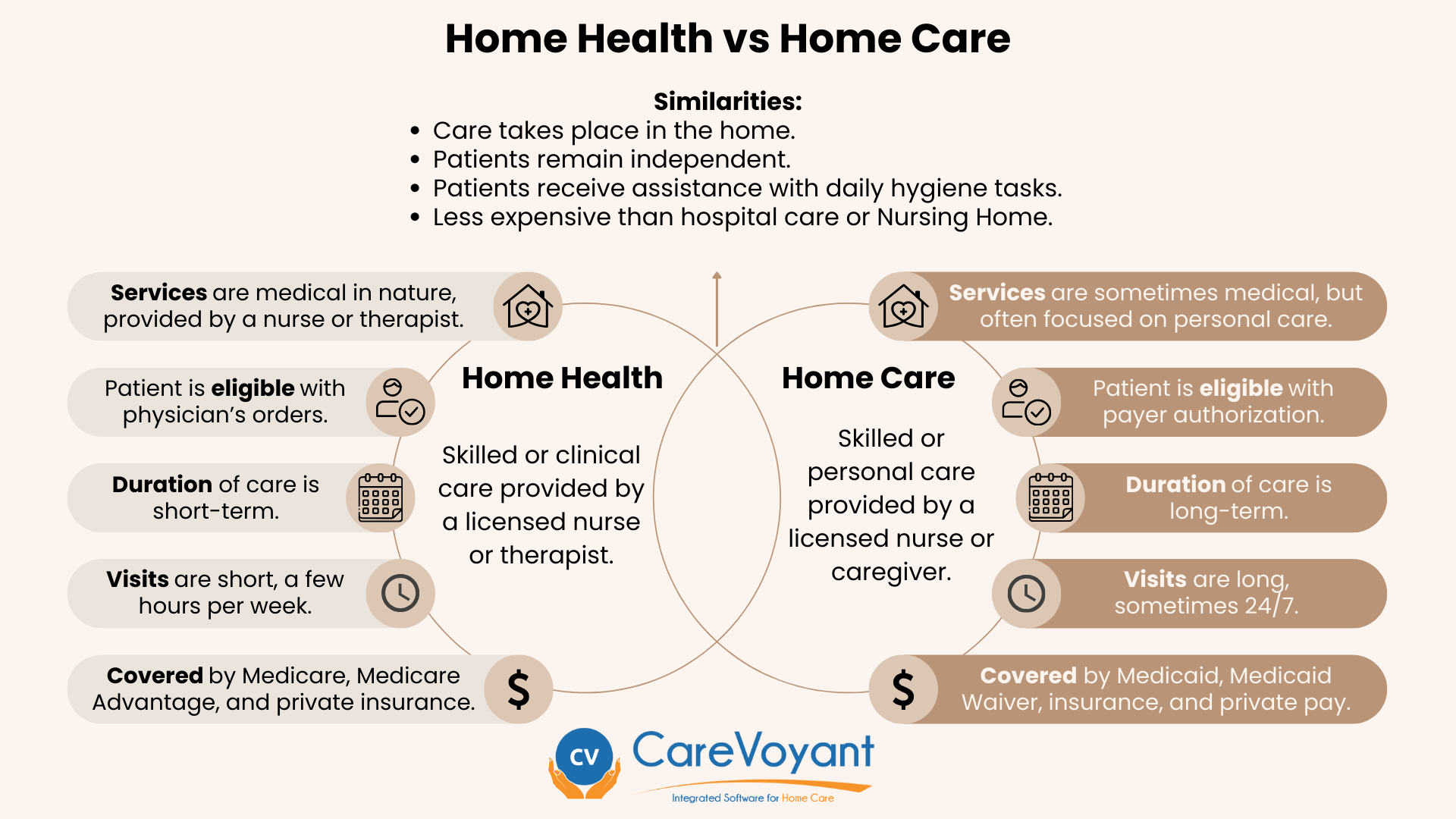
Home nursing care costs vary by service type and care length. It often costs less than nursing home care. Insurance and government programs may cover part of the expenses. Families should compare prices and coverage before choosing services.
Advantages And Disadvantages
Home nursing care offers comfort and privacy for patients. It allows personalized care and flexible schedules. Patients avoid the stress of moving to a new place. On the downside, home care may lack round-the-clock supervision. Some homes might not have all medical equipment needed. Family members often play a big role in care support.
Comparing Care Quality
Quality of care is a key factor in choosing between nursing home care and home nursing care services. Both options offer different environments and support levels. Understanding how care quality varies helps families decide what suits their needs best.
Staff Qualifications
Nursing homes usually have a team of trained professionals. Nurses, doctors, and therapists work together to provide care. They often have certifications and ongoing training. This team approach supports complex medical needs well.
Home nursing care services employ skilled nurses and aides too. Caregivers visit the patient’s home to offer personalized help. Their training focuses on one-on-one care and home safety. This setting allows for close monitoring of individual health.
Personalized Attention
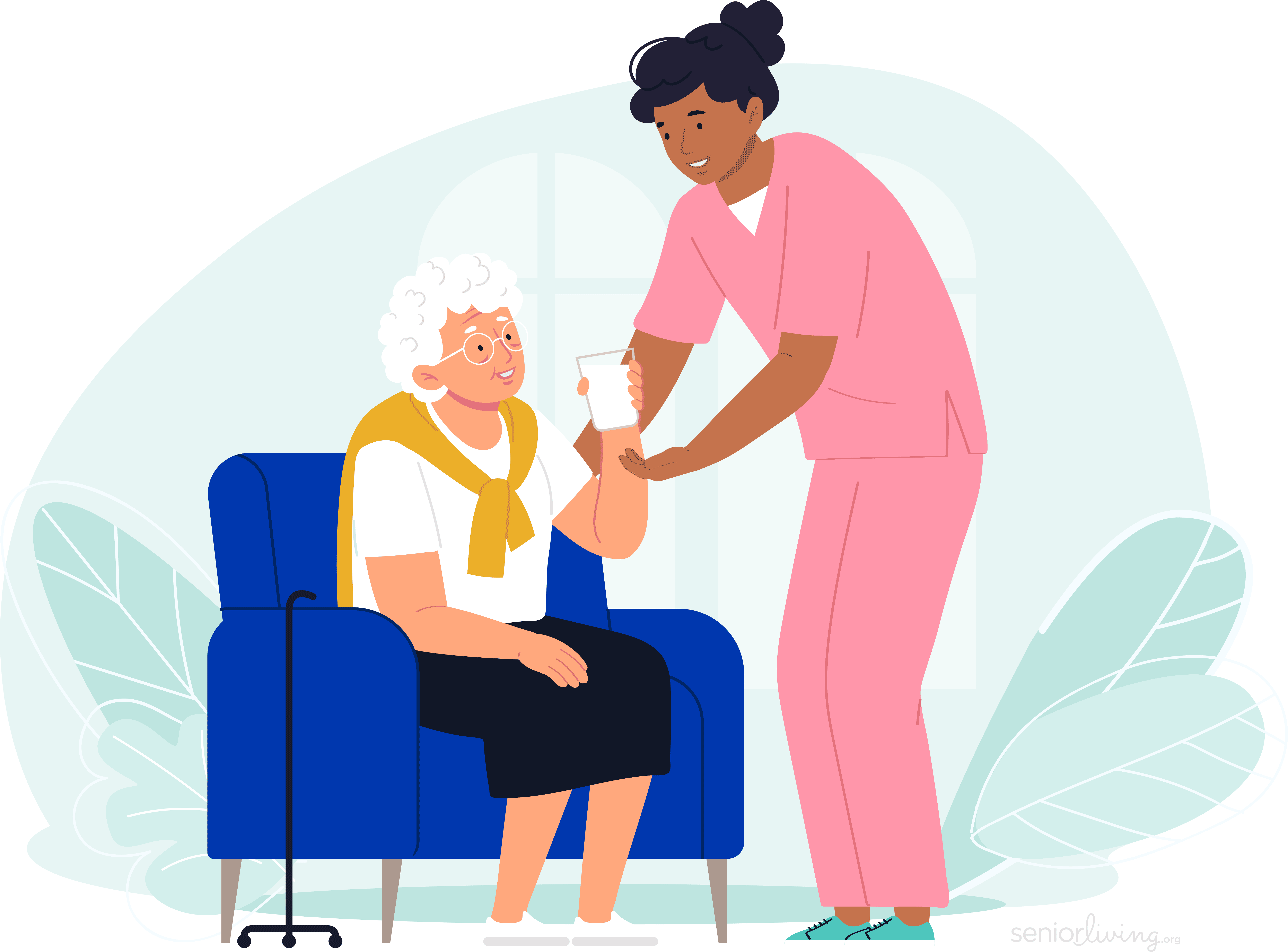
Home nursing care offers a high level of personalized attention. Caregivers tailor activities and routines to the patient’s preferences. Patients often feel more comfortable and relaxed at home. This setting supports emotional well-being and independence.
Nursing homes serve many residents at once. Staff divide attention among several patients. Personalized care is available but may be less flexible. Group activities and schedules may limit individual preferences.
Safety Measures
Nursing homes have strict safety rules and emergency systems. They are equipped to handle medical emergencies quickly. Regular checks and secure environments reduce risks of falls and accidents.
Home nursing care requires adapting the home for safety. Caregivers help remove hazards and suggest modifications. Emergency plans depend on quick access to outside help. Safety depends on both caregiver vigilance and family support.
Impact On Patient Well-being
The impact of nursing home care versus home nursing care services on patient well-being is significant. Each care option affects how patients feel emotionally, physically, and socially. Understanding these differences helps families make better decisions.
Emotional Health
Nursing home care offers constant supervision, which can provide comfort. Some patients may feel safe around trained staff. Yet, others might feel lonely or isolated in a new environment. Home nursing care keeps patients in familiar surroundings. This often reduces stress and anxiety. Patients tend to feel more relaxed and secure at home.
Physical Health
Nursing homes provide structured routines and medical support. This helps patients maintain their health with regular check-ups. Physical therapy is often available on-site. Home nursing care allows personalized attention. Caregivers can focus on specific needs and adjust care quickly. Both options support recovery but differ in approach and flexibility.
Social Interaction
Nursing homes encourage social activities with other residents. This can help fight loneliness and improve mood. Group events create chances to make friends. Home nursing care may limit social contact. Family visits and community outings become important. Social interaction varies greatly depending on care type and patient preferences.
Decision-making Factors
Choosing between nursing home care and home nursing care services is a big decision. Several factors affect this choice. Each option offers different benefits and challenges. Understanding these can help families make the best decision for their loved ones.
Patient Needs And Preferences
Every patient has unique health needs. Some need constant medical care. Others require help with daily tasks. Comfort and familiar surroundings matter a lot. Home nursing care allows patients to stay in their own home. Nursing homes provide round-the-clock care and social activities. Personal preferences must guide this choice for better well-being.
Family Involvement
Family support plays a key role in care decisions. Home nursing care involves family members more directly. They can visit anytime and assist with care. Nursing homes reduce the daily caregiving burden on families. Staff handle most medical and personal care. Families must consider how much help they can give and want to give.
Financial Implications
Cost is an important factor. Nursing home care often has higher monthly fees. Home nursing care costs vary based on needed services. Insurance coverage may differ for each option. Families should compare expenses carefully. Planning the budget helps avoid surprises and stress later.
Credit: www.seniorliving.org
Future Trends In Elder Care
The future of elder care is evolving fast. New methods and tools are shaping how seniors receive support. Both nursing home care and home nursing care services are changing to meet these needs. This section explores key trends that will influence elder care in the coming years.
Technological Advancements
Technology plays a big role in elder care’s future. Wearable devices help monitor health in real time. Telehealth services allow doctors to check patients remotely. Smart home devices improve safety and comfort for seniors at home. Robots assist with daily tasks and companionship. These tools help provide better care and independence.
Policy Changes
Governments are updating rules to support elder care. New policies promote affordable and quality care services. Funding for home nursing care is increasing in many places. Regulations focus on protecting seniors’ rights and safety. Policies encourage training for caregivers to improve skills. These changes aim to make elder care more accessible and fair.
Innovative Care Models
Care models are shifting toward personalized and flexible options. Community-based care programs bring support closer to home. Integrated care connects medical, social, and emotional help. Shared care plans involve families and professionals working together. Day care centers offer social activities and health services. These models improve quality of life for seniors.
Frequently Asked Questions
What Is The Difference Between Nursing Home And Home Nursing Care?
Nursing homes provide full-time residential care with medical staff onsite. Home nursing care offers personalized medical support at the patient’s residence. The main difference is location and level of supervision, with nursing homes suited for intensive care and home care for flexible, less critical needs.
Which Care Option Is More Cost-effective?
Home nursing care usually costs less than nursing homes due to fewer overhead expenses. Nursing homes charge for full-time accommodation and services, making them pricier. However, costs vary based on care level, location, and individual needs. Evaluate specific services before deciding for budget optimization.
Can Home Nursing Care Handle Complex Medical Needs?
Yes, home nursing care can support complex needs if skilled nurses and equipment are available. It suits patients requiring regular monitoring but stable conditions. For highly critical or emergency cases, nursing homes offer better 24/7 medical supervision and immediate response.
How Does Social Interaction Differ Between These Care Types?
Nursing homes offer more social activities and peer interaction due to communal living. Home nursing care may limit socialization unless family and community support are active. Social interaction depends on the patient’s environment and available programs in both settings.
Conclusion
Choosing between nursing home care and home nursing care depends on your needs. Nursing homes offer constant supervision and social activities. Home nursing care provides comfort in familiar surroundings. Both have skilled professionals to support daily tasks. Think about budget, health condition, and personal preferences.
Quality care matters most, no matter the setting. Take time to weigh all options carefully. The right choice helps loved ones live safely and happily.