How Professional Nurses Manage Chronic Conditions at Home: Expert Tips
Managing chronic conditions at home can feel overwhelming. You might worry about keeping everything on track, from medication schedules to lifestyle changes.
But what if you had expert guidance from professional nurses who know exactly how to help you handle these challenges with confidence? This article will show you practical, easy-to-follow strategies that nurses use every day to support people just like you.
By understanding their approach, you’ll discover how to take control of your health and live more comfortably. Keep reading to learn how professional nurses make managing chronic conditions at home simpler and more effective for you.
Role Of Nurses In Home Care
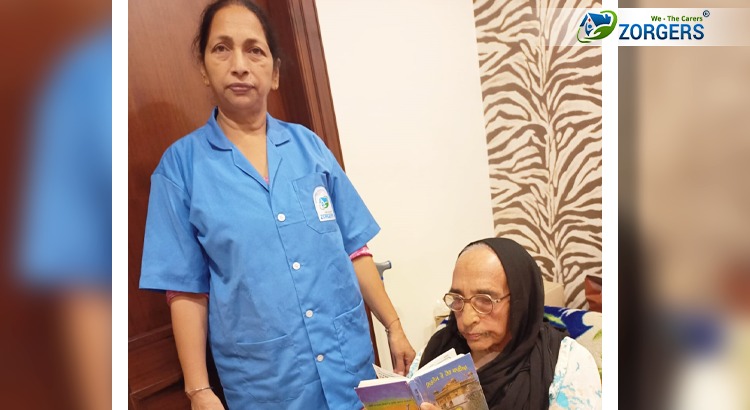
Professional nurses play a vital role in managing chronic conditions at home. They provide skilled care that helps patients stay comfortable and healthy. Nurses support daily routines and monitor symptoms closely. Their presence can reduce hospital visits and improve life quality.
Home care nurses focus on personalized care plans. They understand each patient’s unique needs and challenges. This approach helps patients manage their conditions better and live more independently. Nurses also educate families on proper care techniques.
Key Responsibilities
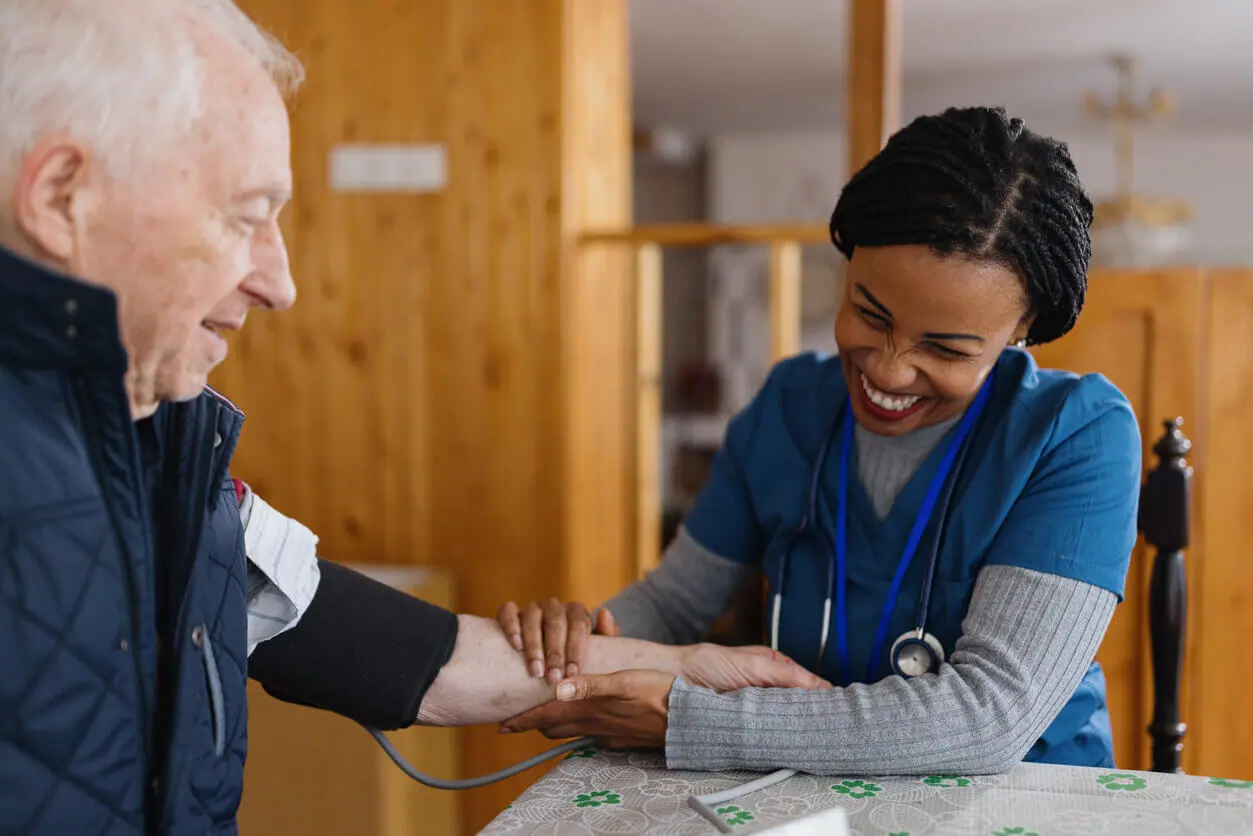
Nurses assess patient health regularly to catch any changes early. They administer medications and treatments as prescribed. Monitoring vital signs like blood pressure and glucose levels is routine. Nurses also assist with mobility and personal hygiene tasks. They document all care activities to keep accurate records.
Building Patient Trust
Trust is essential in home care nursing. Nurses listen carefully to patient concerns and answer questions clearly. They show patience and empathy in every interaction. Consistent, respectful care helps patients feel safe. This trust encourages patients to follow treatment plans properly.
Coordinating With Healthcare Teams
Nurses act as a bridge between patients and doctors. They communicate any health changes to the healthcare team quickly. Nurses schedule appointments and follow up on tests or treatments. Working closely with therapists and social workers ensures full support. This teamwork helps create a smooth care experience for patients.
Credit: www.zorgers.com
Common Chronic Conditions Managed
Professional nurses play a key role in managing chronic conditions at home. They provide care that helps patients live better with long-term illnesses. Nurses teach patients how to control symptoms and avoid complications. They work closely with families to support daily health needs.
Common chronic conditions require careful management. Nurses focus on the most frequent and serious illnesses. These include diabetes, heart disease, and chronic respiratory conditions. Each condition needs specific care plans and monitoring.
Diabetes Care
Nurses help patients control blood sugar levels. They teach proper insulin use and healthy eating habits. Regular blood sugar testing is important. Nurses watch for signs of low or high blood sugar. They guide patients on foot care and medication management. Education reduces risks of complications like infections and vision loss.
Heart Disease Management
Heart disease patients need close monitoring. Nurses check blood pressure and heart rate regularly. They promote lifestyle changes such as diet and exercise. Nurses explain how to take heart medications correctly. They also recognize symptoms of worsening heart problems. Early action can prevent hospital visits and improve quality of life.
Chronic Respiratory Conditions
Nurses support patients with asthma and COPD. They teach proper inhaler and oxygen use. Monitoring breathing patterns helps avoid flare-ups. Nurses encourage avoiding triggers like smoke and dust. They assist with daily exercises to improve lung strength. Prompt response to symptoms reduces emergency situations.
Effective Monitoring Techniques
Effective monitoring techniques help nurses manage chronic conditions at home. Careful observation allows early detection of problems. Nurses use various methods to track health and symptoms. These techniques keep patients safe and stable. Nurses guide patients and families to handle daily health needs. Monitoring builds a clear picture of the patient’s condition over time.
Vital Signs Tracking
Vital signs show how the body is working. Nurses teach how to check blood pressure, pulse, and temperature. Regular tracking helps spot changes fast. Nurses record these signs to see trends and patterns. This data guides treatment and medication adjustments. Precise vital signs tracking reduces emergency visits and hospital stays.
Symptom Assessment
Symptoms reflect how the disease affects the body. Nurses ask patients to describe pain, fatigue, or breathlessness. They use simple questions to rate symptom severity. Tracking symptoms daily helps nurses understand condition changes. This helps adjust care plans quickly. Symptom assessment also improves communication between nurses and patients.
Use Of Technology And Apps
Technology supports easy and accurate monitoring at home. Nurses recommend apps to log vital signs and symptoms. Some apps remind patients to take medicine on time. Devices like pulse oximeters and glucometers connect to phones for instant data. Technology helps nurses review health remotely. It makes home care more efficient and precise.
Medication Management Strategies
Medication management is a key part of caring for chronic conditions at home. Nurses use specific strategies to help patients take their medicines correctly and safely. These methods reduce mistakes and improve health outcomes.
Ensuring Adherence
Nurses teach patients the importance of taking medicines on time. They explain how missing doses can affect health. They also use tools like pillboxes or alarms to remind patients. Regular check-ins help nurses track if patients follow their plans. Clear instructions make it easier to understand medicine use.
Handling Side Effects
Nurses watch for side effects that can cause problems. They teach patients how to recognize common reactions. Patients learn when to contact a nurse or doctor. Nurses suggest ways to ease mild side effects safely. This support helps patients feel more confident with their treatment.
Organizing Medication Schedules
Nurses help patients create simple medicine schedules. They group medicines by times of day or meals. Written plans make it easy to follow the routine. Visual aids like charts help patients remember doses. Organizing medicines reduces confusion and missed doses.
Patient Education And Empowerment
Patient education and empowerment are key in managing chronic conditions at home. Nurses teach patients about their illness and care routines. This knowledge helps patients take control of their health. Empowered patients feel confident to manage daily challenges. They understand their treatment and know what to do. Nurses guide patients step-by-step for better health outcomes.
Teaching Self-care Skills
Nurses show patients how to perform daily care tasks. This includes taking medications correctly and monitoring symptoms. They explain the importance of following care plans. Patients learn how to check vital signs like blood pressure. Nurses teach wound care and use of medical devices. These skills reduce hospital visits and improve independence.
Promoting Lifestyle Changes
Nurses encourage healthy habits to support treatment. They discuss diet changes, exercise, and quitting smoking. Small steps can make a big difference in health. Nurses help patients set realistic goals. They provide tips for managing stress and sleep. These lifestyle changes help control chronic symptoms better.
Addressing Emotional Support
Living with chronic illness can be hard emotionally. Nurses listen to patients’ worries and fears. They offer comfort and reassurance to reduce anxiety. Nurses connect patients to counseling or support groups if needed. Emotional support helps patients stay motivated. Feeling understood improves overall well-being and care adherence.
Credit: www.feeltheadvantage.com
Preventing Complications At Home
Preventing complications at home is a key part of managing chronic conditions. Professional nurses help patients avoid serious problems by teaching simple but effective steps. These steps reduce risks and improve daily health. Nurses guide patients and families to act early and stay safe.
Recognizing Early Warning Signs
Nurses teach how to spot early signs of trouble. These signs can include pain, swelling, shortness of breath, or sudden changes in mood. Patients learn to check their symptoms daily. Early detection helps stop problems from getting worse. Prompt action can save lives and prevent hospital visits.
Emergency Response Planning
Creating a clear emergency plan is vital for safety. Nurses help write steps to follow in a crisis. This plan includes important phone numbers and nearby clinics. Patients learn when to call for help and what to say. A well-prepared plan reduces panic and speeds up care.
Maintaining A Safe Environment
Nurses advise on making the home safe and easy to move around. Removing tripping hazards and keeping medicines organized are key tips. Proper lighting and grab bars can prevent falls. Cleanliness and good hygiene reduce infection risks. A safe home supports better health every day.
Collaboration With Family Caregivers
Professional nurses play a key role in managing chronic conditions at home. They work closely with family caregivers to ensure patients get the best care. This teamwork helps patients feel safe and supported every day. Nurses teach, share tasks, and help caregivers stay healthy themselves. This partnership makes home care easier and more effective.
Training Family Members
Nurses teach family members how to provide proper care. They explain medication schedules and show how to use medical devices. Training includes recognizing warning signs and managing symptoms. Clear instructions help families feel confident and prepared. This education reduces mistakes and improves patient health.
Sharing Care Responsibilities
Nurses help divide care tasks among family members. This sharing reduces stress on one person. It ensures that important duties are done on time. Nurses guide families on who should do what. Balanced care helps patients get steady support and attention.
Supporting Caregiver Wellbeing
Nurses check in on caregivers’ physical and mental health. They offer advice on rest, nutrition, and stress relief. Support groups and counseling may be suggested. Healthy caregivers provide better care to patients. Nurses remind families to take breaks and ask for help.

Credit: bestnurses.com.au
Adapting Care Plans Over Time
Adapting care plans over time is a key part of managing chronic conditions at home. Health needs often change. Nurses must keep the care plans flexible. This helps patients stay comfortable and safe. It also improves their quality of life.
Regular Assessment And Adjustments
Nurses conduct regular assessments to check patient progress. They monitor symptoms and treatment effects. Any changes in health are noted. Care plans are updated based on these findings. This ensures treatments stay effective and relevant.
Incorporating Patient Feedback
Patient feedback plays a vital role. Nurses listen carefully to patient experiences and concerns. This helps identify what works and what does not. Adjustments are made to fit patient preferences and comfort. It builds trust and improves care outcomes.
Utilizing Multidisciplinary Input
Chronic care involves many specialists. Nurses collaborate with doctors, therapists, and dietitians. Each expert offers unique insights. This teamwork helps create a complete care plan. It addresses all aspects of the patient’s health.
How The Best Home Care Service Can Help You with How Professional Nurses Manage Chronic Conditions at Home
Practical Learning Opportunities in Home-Based Chronic Care
Understanding how professional nurses manage chronic conditions at home opens valuable avenues for practical learning. Observing effective monitoring techniques and medication management strategies firsthand can enhance one’s ability to support long-term care. For example, nurses often teach patients and family caregivers how to track vital signs and recognize early warning signs, which is essential to preventing complications.
Adapting care plans over time is another critical skill. Engaging with experienced home care providers, such as those operating in Dhaka’s residential communities, offers insights into tailoring care to evolving patient needs while maintaining dignity and comfort. This hands-on learning is often supported by compassionate teams who emphasize patient education and empowerment, ensuring everyone involved feels confident and informed.
- Learn to communicate effectively with family caregivers
- Practice medication scheduling and monitoring
- Develop skills to identify changes requiring professional attention
For those seeking guidance or resources on professional home nursing, organizations located near Shahjadpur, Gulshan, like The Best Home Care Service, provide knowledgeable support. Contacting them via support@thebesthomecareservice.com or +88017 1417 7837 can offer practical advice tailored to individual care situations.
Frequently Asked Questions
How Do Professional Nurses Monitor Chronic Conditions At Home?
Professional nurses use regular assessments and vital sign checks to monitor chronic conditions. They track symptoms and medication effects to ensure stability. Nurses also educate patients on self-monitoring techniques for early detection of complications.
What Role Do Nurses Play In Medication Management?
Nurses organize medication schedules and ensure proper dosage. They educate patients on side effects and the importance of adherence. Nurses also communicate with doctors to adjust treatments as needed.
How Do Nurses Support Lifestyle Changes For Chronic Illness?
Nurses provide personalized advice on diet, exercise, and stress management. They motivate patients to adopt healthy habits and track progress. Education and emotional support are key to sustaining lifestyle changes.
Can Nurses Help Prevent Hospital Readmissions For Chronic Patients?
Yes, nurses provide continuous care and early intervention to prevent complications. They teach patients to recognize warning signs and seek timely help. Regular follow-ups and care coordination reduce hospital readmissions.
Conclusion
Professional nurses play a key role in managing chronic conditions at home. They teach patients how to follow care plans safely. Nurses monitor health signs and adjust treatments as needed. They also support patients with advice on diet and exercise.
Communication with doctors stays open for the best care. Patients feel more confident with nurse guidance. This teamwork helps improve health and quality of life. Managing chronic illness becomes easier with skilled nursing help. Simple steps, regular checks, and support make a big difference.
Nurses bring care and knowledge right into the home.