
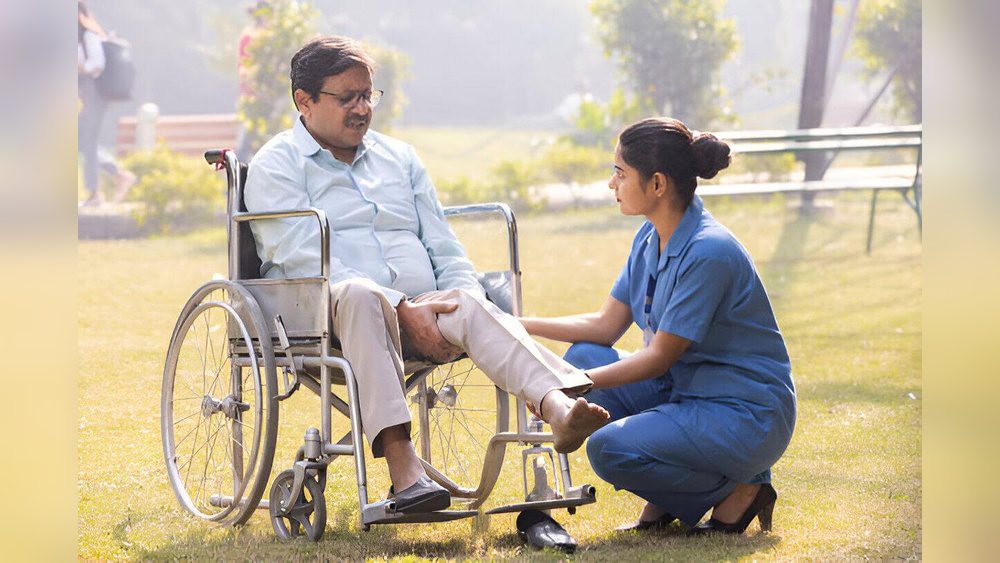
Elderly Care in Bangladesh: Challenges and Innovations
Elderly care in Bangladesh is a topic that touches the heart of every family. As you look around, you may notice an increasing number of elderly individuals who require special attention and support.
Perhaps it’s your own parents or grandparents who need extra care. You might feel overwhelmed or unsure about how to provide the best for them. This is where understanding elderly care becomes essential. Imagine the peace of mind you will experience knowing that your loved ones are well cared for, living comfortably and with dignity.
The insights shared here will guide you through the available options, from home care to community services, and help you make informed decisions. You will discover the resources and support systems that can ease your burden and ensure a happy, healthy life for those you cherish. Dive deeper into this article to find practical solutions and emotional support in your journey of caring for the elderly. You will not only learn about the challenges but also the heartwarming success stories that will inspire you. Your loved ones deserve the best, and you can be the one to provide it. Keep reading to explore how you can make a real difference in their lives.
Current State Of Elderly Care
Elderly care in Bangladesh is a growing concern as the population ages. Many families grapple with how best to support their aging loved ones. The current landscape offers insight into the challenges and opportunities in elderly care, revealing both gaps and areas ripe for improvement.
Challenges In Elderly Care
In Bangladesh, many elderly people live without access to adequate healthcare. Public facilities are often overcrowded, leading to long wait times. Private healthcare is expensive, leaving many unable to afford necessary treatments.
Family dynamics also pose challenges. With younger generations moving to urban areas for work, elderly relatives often remain in rural settings without close family support. This separation can lead to isolation, impacting mental and physical health.
Government Initiatives
The government has recognized the need for better elderly care. Initiatives like pension schemes aim to provide financial support. However, these programs often lack widespread implementation, leaving many without aid.
Healthcare policies are slowly evolving to include more elderly-focused services. Efforts to integrate elder care into community health programs are underway, but progress is slow and uneven.
Community And Non-profit Support
Non-profit organizations play a vital role in filling the gaps. They offer services ranging from health camps to social engagement activities. These organizations often rely on volunteers and donations, showcasing the power of community involvement.
Local community groups are stepping up to offer support. Some arrange regular visits to elderly members, fostering a sense of belonging and reducing loneliness.
Personal Experiences And Insights
Consider the story of a family in Dhaka who transformed a room in their home into a care space for their aging grandmother. They enlisted neighbors for help with daily tasks, creating a supportive network. This approach highlights how small changes can make significant differences.
What if more families adopted similar methods? Could community-led initiatives bridge the care gap? Your involvement could spark change. Think about how you can contribute to elderly care, even in small ways.
Future Prospects
The demand for elderly care will only grow. As you consider the future, think about how technology might play a role. Telemedicine could improve access to healthcare for those in remote areas.
Investing in elderly care education can empower caregivers with skills to provide better support. Could educational programs and workshops be the key to improving elderly care in Bangladesh?
Cultural Context And Family Dynamics
Understanding elderly care in Bangladesh requires a look at cultural context. Family dynamics play a crucial role here. The elderly are highly respected. Their wisdom and experiences are valued. This respect influences care practices. Caring for elders is a family duty. It is deeply rooted in tradition. The family unit is central in Bangladeshi society. It shapes how elders are treated. Let’s explore this cultural context further.
Family Responsibility
In Bangladesh, families take care of their elderly members. It is seen as a moral obligation. Aging parents often live with their children. This ensures close family ties. It reflects strong family bonds. Everyone plays a part in caregiving. This shared responsibility is vital. It supports the elderly’s well-being.
Respect For Elders
Elders are revered in Bangladeshi culture. Respect is shown through actions and words. Families value their advice and guidance. Elders are involved in family decisions. This respect is a core cultural element. It influences how care is provided. It fosters a nurturing environment.
Influence Of Tradition
Traditional values shape elderly care in Bangladesh. Cultural beliefs play a part. Many families follow longstanding customs. These traditions dictate care practices. They ensure elders are treated with dignity. Tradition strengthens family unity. It preserves cultural heritage.
Role Of Extended Family
Extended family often participates in caregiving. Grandparents, aunts, and uncles help out. This support network is essential. It provides comprehensive care for the elderly. It lessens the burden on immediate family. Extended family bonds are strong. They contribute to a supportive environment.
Challenges In Modern Times
Modern life presents new challenges. Urbanization and migration affect family dynamics. Some families struggle with caregiving. Distance complicates care arrangements. Balancing work and caregiving is tough. These challenges require innovative solutions. Families adapt to changing circumstances.
Healthcare Infrastructure
Healthcare infrastructure plays a vital role in elderly care in Bangladesh. As the aging population grows, healthcare needs become more complex. Proper infrastructure ensures efficient and accessible services. It supports the well-being of the elderly and enhances their quality of life.
Availability Of Medical Facilities
Bangladesh has numerous medical facilities catering to elderly care. Hospitals and clinics offer specialized services for seniors. These include geriatric wards and outpatient care. Community health centers provide essential support. They ensure seniors receive timely medical attention.
Urban areas have better access to facilities. Rural regions face challenges with fewer resources. Transportation and geographical barriers affect access. Efforts are ongoing to improve rural healthcare. Mobile clinics aim to bridge the gap. They bring medical services closer to remote communities.
Access To Trained Professionals
Access to trained professionals is crucial for elderly care. Bangladesh has a growing number of geriatric specialists. Doctors and nurses receive training in elderly health needs. This ensures they understand age-related conditions. Specialized care leads to better health outcomes.
Training programs focus on skills development. Professionals learn about chronic disease management. They also receive education on mental health support. Continuous education keeps them updated on new treatments. Qualified professionals play a key role in elderly care.
Though urban areas benefit more, rural areas need improvement. Efforts are being made to train more professionals. Incentives encourage specialists to work in rural settings. This aims to enhance care quality across the country.
Economic Constraints
Elderly care in Bangladesh faces economic constraints that limit access to essential services. Many families struggle to afford quality care for their aging members. This financial burden often leads to inadequate support and resources for the elderly, impacting their well-being and quality of life.
Elderly care in Bangladesh faces significant hurdles, with economic constraints being at the forefront. Many families struggle to provide adequate care due to limited financial resources. The burden often falls on younger family members who themselves face financial challenges. This situation raises important questions: How can you ensure your elderly loved ones get the care they deserve without compromising your own financial stability?Poverty And Financial Challenges
In Bangladesh, poverty is a stark reality for many families. Low-income households find it difficult to afford even basic care for their elderly members. Often, the choice boils down to prioritizing daily necessities over healthcare needs. Consider the story of Ahmed, a rickshaw puller, who faces the dilemma of choosing between buying medicine for his aging mother or food for his children. This is the harsh reality for many in the country. How would you manage these choices if faced with similar circumstances?Government Support And Policies
The government of Bangladesh has introduced policies aimed at supporting elderly care. However, these initiatives often fall short due to inadequate funding and implementation. Pension schemes, though present, rarely suffice to cover medical expenses and daily sustenance. A study revealed that less than 20% of the elderly population in Bangladesh receives any form of government aid. This leaves many families solely responsible for their elder’s care. Imagine the impact if policies were more robust and inclusive. What changes would you advocate for in government support to better assist families like Ahmed’s? As you navigate these economic constraints, consider the available resources and community support that may be leveraged. It’s crucial to stay informed about policies and actively engage with community leaders to advocate for better support systems. Your actions can make a difference.Social Stigma And Awareness
Caring for the elderly in Bangladesh presents unique challenges. Social stigma plays a significant role. Many view elderly care as a family duty. But awareness about proper care is lacking. Society often overlooks the elderly’s needs. This oversight can lead to neglect. Addressing this requires effort from all sectors.
Understanding The Cultural Mindset
The cultural mindset in Bangladesh values family ties. Elderly parents are expected to live with children. Families often feel pressure to care for them. Many believe sending them to a care home is shameful. This stigma can prevent seeking professional help. It can also lead to inadequate care.
The Role Of Education In Changing Perceptions
Education plays a key role in shifting perceptions. Raising awareness about elderly care is crucial. Workshops and seminars can inform families. They can learn about the benefits of professional care. This knowledge can help reduce stigma. It encourages families to seek better care options.
Media’s Influence On Public Opinion
The media has the power to shape opinions. Positive portrayals of elderly care can change views. Stories highlighting the benefits of professional care can inspire change. Media campaigns can educate the public. They can showcase successful care models. This can help reduce the stigma around elderly care.
Community Engagement And Support
Community support is vital for changing attitudes. Local groups can organize support networks. These networks can provide resources and guidance. Community leaders can advocate for better elderly care. Engaging the community creates a support system. This can foster a more accepting environment.
Innovative Approaches
Elderly care in Bangladesh is embracing new methods to enhance quality of life. Community programs and technology integration are bridging gaps, offering personalized support for seniors. These innovative approaches aim to address healthcare needs and social well-being efficiently.
The landscape of elderly care in Bangladesh is evolving rapidly, with innovative approaches paving the way for more effective and compassionate care. This shift reflects the growing recognition of the unique challenges faced by the elderly population. By embracing new methods, Bangladesh is fostering a supportive environment where the elderly can thrive. Let’s explore some of these forward-thinking strategies.Community-based Models
Community-based models are gaining traction as a powerful tool in elderly care. These models focus on harnessing the strength of local communities to support the elderly. It’s about neighbors helping neighbors, fostering a sense of belonging and security. Imagine a small community where every member feels responsible for the elderly among them. This approach not only provides practical assistance but also enriches social connections. In such a setting, the elderly are not isolated but integrated into daily life. Consider your own neighborhood. How could community involvement transform the lives of the older adults around you? Engaging with local resources and initiatives could be a game-changer.Technological Solutions
Technology is reshaping how we care for the elderly, offering solutions that were once unimaginable. From health monitoring devices to virtual companionship, the digital age brings new possibilities. In Bangladesh, tech-driven care solutions are making a real difference. Mobile apps for health tracking and emergency alerts are empowering the elderly to live more independently. These tools provide peace of mind for both the elderly and their families. Think about the elderly person in your life. Could technology provide them with more freedom and security? With the right tools, we can enhance their quality of life significantly. Innovative approaches in elderly care are not just about new methods but about creating a more inclusive and supportive environment. As Bangladesh continues to embrace these changes, the future looks promising for its aging population. How will you contribute to this evolving landscape? The possibilities are endless, and the impact can be profound.Case Studies And Success Stories
In Bangladesh, the care of the elderly has seen remarkable progress. The country has embraced innovative approaches to support senior citizens. This section explores inspiring stories and case studies. These examples highlight successful initiatives in elderly care.
Empowering Seniors Through Community Engagement
One project in Dhaka focuses on community involvement. Seniors participate in local activities, enhancing their social life. This engagement reduces feelings of isolation. It helps seniors build meaningful relationships. The program has shown improved mental health among participants.
Healthcare Innovations In Rural Areas
In rural Bangladesh, mobile clinics serve the elderly. These clinics bring healthcare to remote locations. Seniors receive regular check-ups and medication. This initiative ensures access to essential services. Many elders report better health and quality of life.
Skill Development For Elderly Independence
Training programs offer skills to the elderly. These skills include crafts and technology use. Seniors gain confidence and independence. The program boosts their self-esteem. Many participants now run small businesses, contributing to society.
Family Support Programs
Family support initiatives strengthen bonds. Families learn to care for their elderly members. Workshops teach effective communication and care techniques. These programs foster understanding and respect. Elderly members feel valued and supported at home.
Technology Integration In Elderly Care
Technology plays a crucial role in elderly care. Apps and devices monitor health and safety. Seniors use these tools for medication reminders. They track their wellness and stay connected with loved ones. This integration has improved the overall well-being of many elders.
Future Prospects
Elderly care in Bangladesh faces promising growth with increasing awareness and initiatives. Families, communities, and healthcare sectors are focusing on improving services. Emphasis on compassionate care and technology integration marks a hopeful future for elderly well-being.
The future prospects of elderly care in Bangladesh hold both challenges and opportunities. As the aging population grows, the need for comprehensive care systems becomes more pressing. This shift opens doors for innovation in policy-making, community involvement, and private sector participation. How can we ensure that the elderly in Bangladesh receive the care and dignity they deserve? Let’s explore actionable strategies and roles that different sectors can play in shaping the future of elderly care in the country.Policy Recommendations
Policies must evolve to address the unique needs of the elderly. Government initiatives should prioritize affordable healthcare and social security. Consider the establishment of geriatric care units in public hospitals, which could significantly improve access to specialized care. Training programs for caregivers can enhance the quality of service provided to the elderly. It’s crucial to implement policies that encourage family-based care, offering tax benefits or subsidies to families who provide for their elderly members. Community-based programs can foster social inclusion, helping the elderly maintain active and fulfilling lives. What innovative policy changes do you think could make a real difference?Role Of Ngos And Private Sector
Non-Governmental Organizations (NGOs) have a pivotal role in elderly care. They can bridge the gap between government services and community needs. NGOs can provide essential services such as home visits, counseling, and health check-ups. The private sector can introduce technology-driven solutions like telemedicine and mobile health apps. These innovations can make healthcare more accessible to elderly individuals living in remote areas. Private companies could also invest in building elder care facilities that offer personalized services. How can businesses balance profit with providing compassionate care? Collaboration between NGOs, the private sector, and the government can create a robust support system for the elderly. The future of elderly care in Bangladesh is not just a policy issue but a societal responsibility. By working together, we can craft a future where the elderly are respected, cared for, and integrated into the fabric of society. What role will you play in this vital transformation?Frequently Asked Questions
What Are Common Elderly Care Services In Bangladesh?
Elderly care services in Bangladesh include home nursing, assisted living, and medical support. These services ensure the well-being and comfort of seniors. Caregivers provide help with daily tasks, medication management, and companionship. Specialized facilities offer tailored programs for the elderly, enhancing their quality of life.
How Can I Find Quality Caregivers In Bangladesh?
To find quality caregivers, consider agencies with good reputations and reviews. Verify their credentials and experience. Personal recommendations can be helpful. Interview potential caregivers to ensure they meet your specific needs. Ensure they have training in elderly care and understand cultural sensitivities.
What Are The Costs Of Elderly Care In Bangladesh?
The cost of elderly care in Bangladesh varies based on services. Basic home care might be affordable, while specialized care is more expensive. Assisted living facilities and nursing homes have different pricing models. Always compare services and costs before making a decision.
Are There Government Programs For Elderly Care In Bangladesh?
The Bangladeshi government offers limited programs for elderly care. These include pension schemes and healthcare services. Some NGOs and private organizations also support elderly care initiatives. It’s essential to research and connect with local resources for assistance.
Conclusion
Elderly care in Bangladesh needs our attention and compassion. Families play a vital role. Community support can also make a big difference. Government initiatives should focus on improving facilities. Access to healthcare is crucial for senior citizens. Awareness programs can educate families and communities.
Respect and dignity for the elderly should be a priority. Everyone deserves a comfortable and safe old age. Together, we can create a supportive environment. Let us all work towards a brighter future for our elders.