
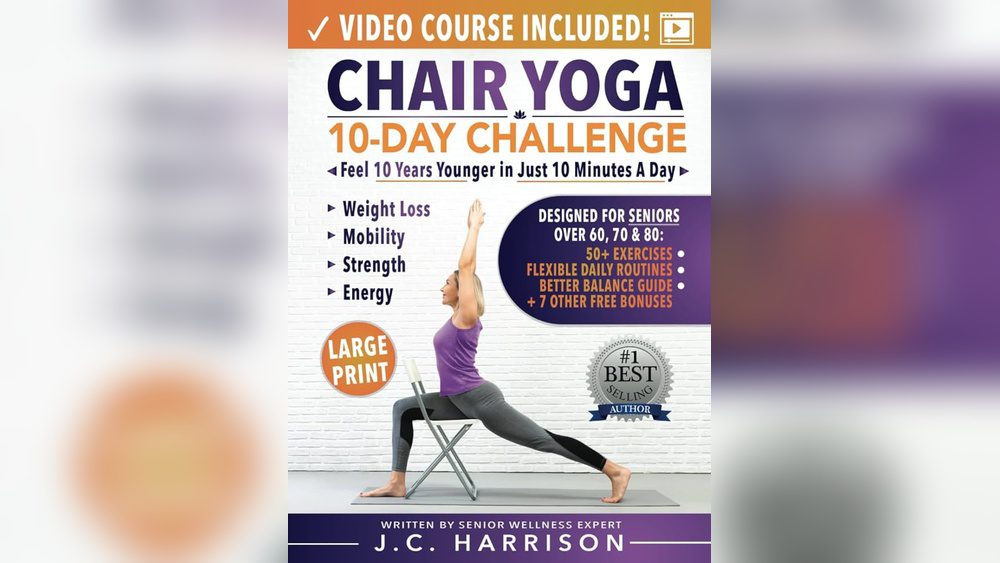
Daily Routines to Improve Elderly Mobility at Home: Simple Steps for Success
Are you worried about losing your independence because of limited mobility? You’re not alone, and the good news is that small daily routines can make a big difference.
Improving your movement at home doesn’t require expensive equipment or long hours of exercise. With simple, easy-to-follow steps, you can boost your strength, balance, and confidence every day. Keep reading to discover practical routines that fit seamlessly into your daily life and help you move more freely and safely.
Your body will thank you for it!

Credit: www.carescout.com
Morning Stretching Exercises
Starting the day with stretching helps keep the body active and flexible. Morning stretching exercises ease stiffness and improve blood flow. These simple moves can boost energy and prepare muscles for daily tasks. Regular stretching supports better balance and reduces the risk of falls. It is a gentle way to care for the body every morning.
Gentle Neck And Shoulder Stretches
Begin with slow neck rolls to release tension. Tilt your head gently from side to side. Move your shoulders in small circles forward and backward. These stretches ease tightness and improve neck movement. Keep the motions soft and steady. This helps reduce pain and stiffness in the upper body.
Leg And Ankle Flexibility Moves
Sit on a chair and lift one leg at a time. Point and flex your toes to stretch the ankle. Rotate your ankles slowly in circles to improve flexibility. Straighten your legs and reach toward your toes gently. These movements increase blood flow and reduce muscle tightness. Strong and flexible legs support better walking and balance.

Credit: carex.com
Balance And Stability Practices
Balance and stability are key for elderly mobility at home. These skills help prevent falls and increase confidence during daily activities. Simple practices improve strength and coordination. Practicing regularly supports safer movement and independence.
Chair-based Balance Drills
Chair-based drills are gentle and safe for seniors. Sitting tall, lift one foot slightly off the floor. Hold for a few seconds, then switch feet. Try to keep your back straight and focus on steady breathing.
Another drill: sit with feet flat and slowly lift one knee toward the chest. Hold, then lower it back down. Repeat on the other side. These exercises improve core strength and balance without strain.
Using Support For Confidence
Support tools like sturdy chairs or countertops help build balance. Stand near a support and practice shifting your weight from one foot to the other. Use your hands lightly for balance, not full support.
Walking alongside a stable surface increases confidence. Step slowly and focus on steady, controlled movements. Support reduces fear of falling and encourages regular practice.
Strength Building Activities
Strength building activities help older adults stay active and independent. These exercises improve muscle power and support daily movements. Strong muscles reduce the risk of falls and injuries. They also boost energy and overall health. Simple strength workouts can be done safely at home with little equipment.
Light Resistance Workouts
Light resistance workouts use gentle weights or bands. These exercises target major muscles without straining the body. Examples include bicep curls, leg lifts, and shoulder presses. Start with low resistance and increase slowly. Repeat each movement 8 to 12 times for two sets. These workouts help maintain muscle tone and balance.
Incorporating Household Items
Household items can replace gym equipment easily. Use water bottles, cans, or small bags filled with rice. These objects add weight for arm and leg exercises. Chairs provide support for seated workouts or balance exercises. Towels help with stretching and resistance moves. This approach makes strength training simple and affordable.
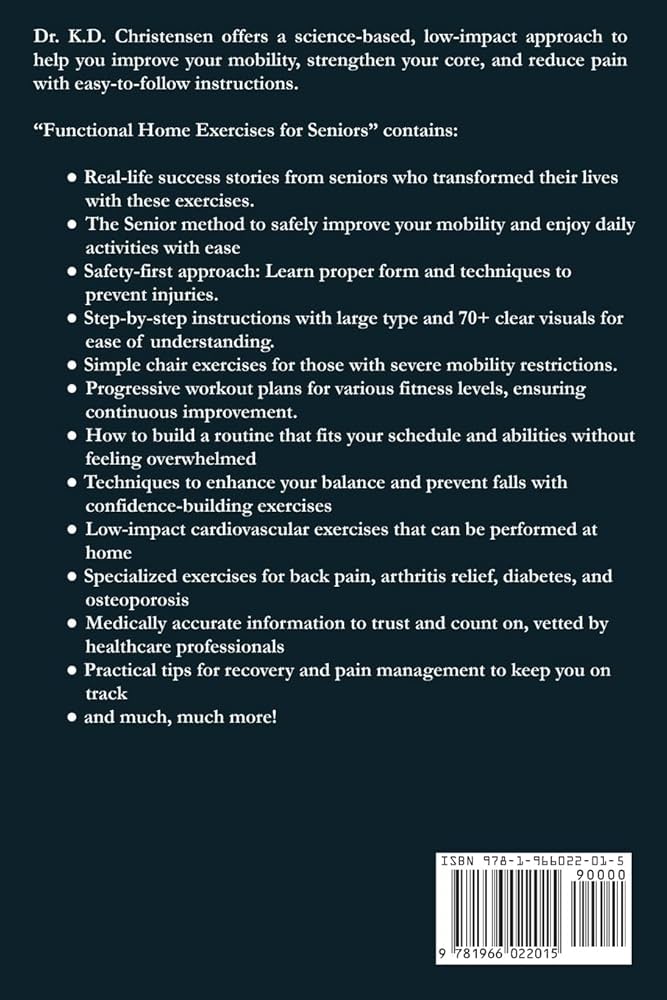
Credit: www.amazon.com
Safe Walking Techniques
Safe walking techniques help elderly people stay steady and avoid falls at home. Simple habits improve balance and confidence. The right approach makes walking easier and safer every day.
Proper Footwear Choices
Good shoes support feet and prevent slips. Choose shoes with non-slip soles and firm heels. Avoid slippers or shoes with smooth bottoms. Proper shoes fit well and feel comfortable. Check for shoes that protect toes and keep feet stable.
Using Walking Aids Correctly
Walking aids give extra support and balance. Use canes, walkers, or frames as recommended by a doctor. Adjust the height of the aid to match your body. Hold it firmly but relaxed. Step with the walking aid first, then move your feet carefully.
Daily Movement Tips
Daily movement is key to keeping elderly loved ones active and mobile at home. Small changes in daily habits help maintain strength and balance. These tips make movement easier and safer every day.
Breaking Up Sitting Time
Sitting for too long can make muscles stiff and joints sore. Encourage short breaks every 30 minutes. Stand up, stretch, or walk a few steps around the room. These breaks improve circulation and reduce stiffness.
Use simple reminders like alarms or timers. Even standing for a minute helps. This habit protects against muscle loss and keeps joints flexible.
Encouraging Frequent Position Changes
Changing positions often prevents discomfort and improves blood flow. Suggest shifting weight from one side to another while sitting. Move from sitting to standing and back several times daily.
Changing positions also reduces pressure on certain body parts. It helps avoid pain and improves overall comfort. Frequent movement supports better posture and balance too.
Creating A Mobility-friendly Environment
Creating a mobility-friendly environment at home helps elderly people move safely. It reduces falls and makes daily tasks easier. Small changes make a big difference in comfort and safety.
Removing Tripping Hazards
Clear floors of loose rugs and clutter. Tape down any rugs that must stay. Keep cords and wires out of walkways. Check for uneven floorboards or tiles. Fix or mark these areas clearly. Good lighting helps spot hazards fast. Bright lights in hallways and stairs prevent trips.
Organizing Furniture For Easy Access
Arrange furniture to create wide paths. Allow space for walkers or wheelchairs. Avoid sharp corners near walking paths. Use chairs with armrests for support. Keep frequently used items within reach. Avoid stacking furniture or creating tight spaces. This setup supports smooth and safe movement.
Hydration And Nutrition Impact
Good hydration and nutrition play a big role in keeping elderly people mobile. Drinking enough fluids and eating the right foods help muscles work well. They also support balance and strength. This makes daily activities easier and safer.
Simple changes in diet and water intake can make a real difference. Healthy habits support energy and reduce the risk of falls. Focus on foods that build muscle and keep the body hydrated for better movement.
Foods Supporting Muscle Health
Protein is key for strong muscles. Foods like lean meat, fish, eggs, and beans provide protein. Dairy products like milk and yogurt also help. These foods repair muscles and keep them active.
Fruits and vegetables add vitamins and minerals. These nutrients reduce inflammation and support muscle function. Choose colorful vegetables like spinach, carrots, and peppers. They are rich in antioxidants and help protect muscle cells.
Whole grains provide energy for movement. Brown rice, oats, and whole wheat bread keep blood sugar steady. This energy helps maintain activity throughout the day.
Importance Of Staying Hydrated
Water keeps muscles flexible and joints moving smoothly. Dehydration can cause cramps and stiffness. Elderly people often feel less thirsty, so drinking water regularly is important.
Clear fluids like water and herbal teas are best. Avoid sugary drinks and too much caffeine. They can cause dehydration.
Tracking water intake helps ensure enough fluids each day. Small sips often work better than large amounts at once. Staying hydrated supports balance and reduces dizziness.
Tracking Progress And Staying Motivated
Tracking progress and staying motivated are key to improving elderly mobility at home. It helps keep focus and shows how far one has come. Small daily efforts add up over time. Seeing progress encourages continuing the routine.
Motivation can fade without clear goals. Tracking progress gives a sense of achievement. It makes the process less overwhelming and more manageable.
Setting Realistic Goals
Start with simple, achievable goals. For example, walking a few steps each day. Avoid setting goals that are too hard or fast. Realistic goals build confidence and reduce frustration. Adjust goals as strength and mobility improve. Clear targets make tracking progress easier and more meaningful.
Celebrating Small Wins
Every step forward is a success. Celebrate small wins like standing longer or moving easier. Positive reinforcement keeps motivation high. It shows that effort brings results. Recognizing progress helps maintain a positive attitude. Small wins lead to bigger improvements over time.
How The Best Home Care Service Can Help You with Daily Routines to Improve Elderly Mobility at Home
Integrating Learning into Daily Mobility Routines
Enhancing elderly mobility at home is not just about performing exercises; it’s equally important to understand and adapt these routines thoughtfully. For instance, incorporating balance and stability practices with safe walking techniques can create a more holistic approach to daily movement. Observing how these activities influence comfort and confidence provides practical learning opportunities that help tailor routines effectively.
Creating a mobility-friendly environment, as discussed earlier, offers a chance to identify potential hazards and experiment with modifications that improve safety. Families and caregivers in Dhaka and beyond might find it helpful to consult with trusted home care professionals who can offer personalized advice on strength-building activities and hydration’s role in mobility. Such collaboration supports ongoing learning and adjustment.
- Reflect on the morning stretching exercises to notice improvements in flexibility.
- Track progress regularly to understand which movements are most beneficial.
- Make hydration and nutrition a consistent part of the routine to sustain energy and muscle function.
For those seeking guidance or support in integrating these practical learnings, resources are available at The Best Home Care Service, located in Shahjadpur, Gulshan, Dhaka. Reliable advice can be accessed by reaching out via support@thebesthomecareservice.com or calling +88017 1417 7837, ensuring that mobility improvement efforts remain safe, effective, and compassionate.
Frequently Asked Questions
What Are The Best Daily Exercises For Elderly Mobility?
Gentle stretching, balance exercises, and light strength training improve elderly mobility. Simple activities like walking or chair exercises enhance flexibility and muscle strength. Consistency is key for better joint movement and reduced stiffness. Always consult a healthcare professional before starting new routines.
How Can Diet Affect Mobility In Older Adults?
A balanced diet rich in calcium, vitamin D, and protein supports bone and muscle health. Proper nutrition reduces inflammation and maintains energy levels. Staying hydrated also helps joint lubrication. Healthy eating combined with exercise improves overall mobility and quality of life.
What Home Modifications Improve Elderly Movement Safety?
Installing grab bars, removing tripping hazards, and ensuring proper lighting enhance safety. Non-slip mats and sturdy handrails provide support during movement. Clear pathways reduce fall risks. These adjustments create a secure environment, encouraging seniors to move more confidently at home.
How Often Should Seniors Exercise To Boost Mobility?
Daily light exercise is ideal, aiming for at least 30 minutes. Consistency helps maintain strength, balance, and flexibility. Short sessions multiple times a day can be effective. Always tailor activities to individual ability and health status for safe improvement.
Conclusion
Daily routines help older adults stay active and mobile. Simple exercises can improve strength and balance. Small changes in daily habits make a big difference. Moving regularly reduces the risk of falls and injuries. Keeping a steady routine builds confidence and independence.
Caregivers and family can support these healthy habits. Consistency is key to maintaining mobility over time. Start with easy activities and increase gradually. Every step counts toward better health and freedom. Keep these routines part of daily life for lasting benefits.