Alzheimer’s disease can change your life in ways you might not expect. It affects memory, thinking, and daily tasks that once felt easy.
If you’re worried about yourself or a loved one, understanding Alzheimer’s is the first step to facing it with confidence. You’ll discover clear facts, warning signs to watch for, and practical tips to help manage the challenges. Keep reading to learn how you can protect your brain health and support those you care about.
Symptoms
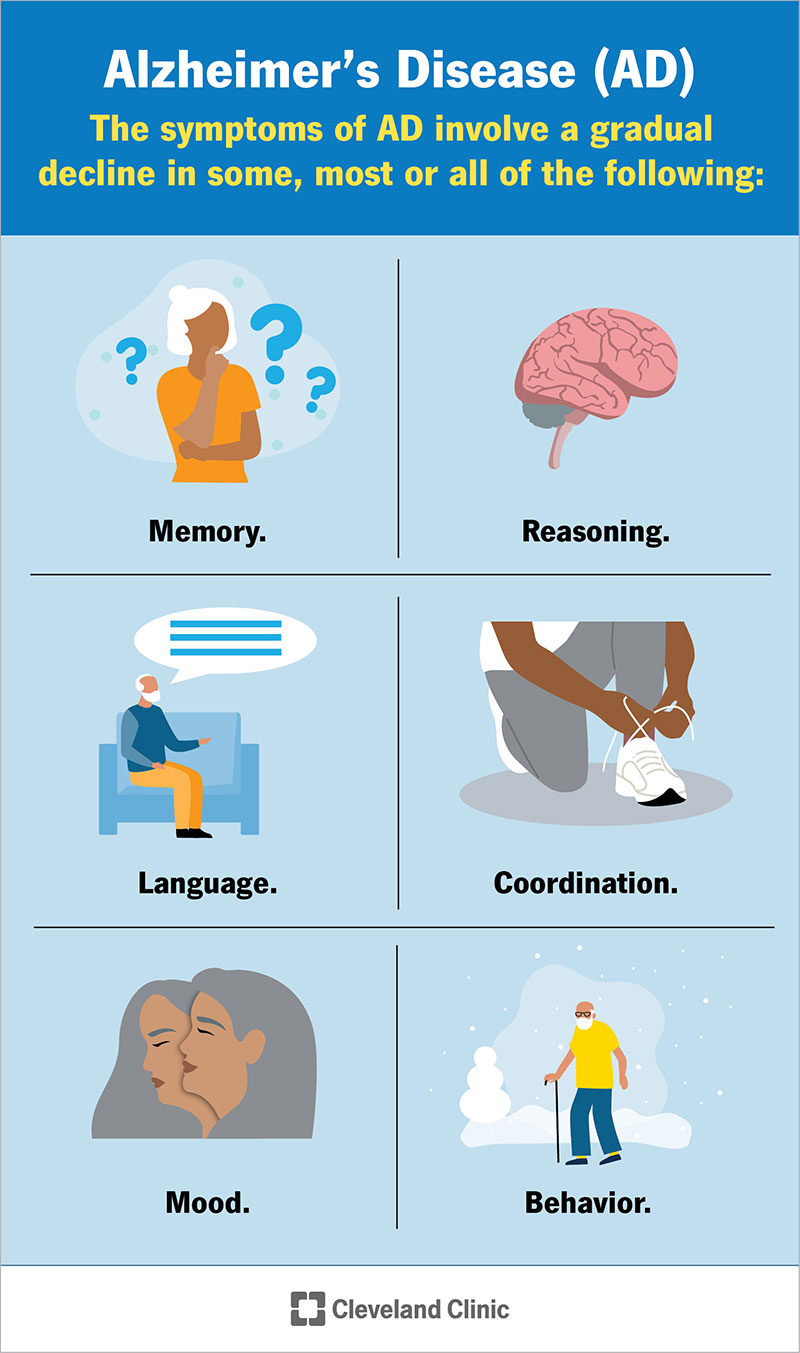
Alzheimer’s disease shows many symptoms that change over time. These signs affect memory, thinking, and behavior. Understanding these symptoms helps in early detection. Early help can improve life quality.
Symptoms start mild but get worse. They impact daily tasks and social life. Recognizing these changes early is very important for care and support.
Early Signs
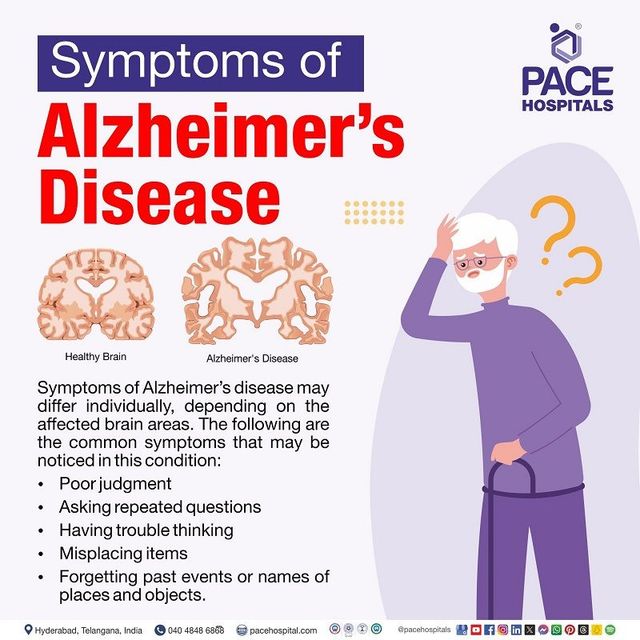
Memory loss is the first and most common sign. People forget recent events or important dates. They ask the same questions repeatedly. Trouble planning or solving problems appears. Simple tasks become confusing. Misplacing things happens often.
Cognitive Decline
Thinking skills start to weaken over time. Difficulty understanding numbers or following instructions occurs. Concentration fades quickly. People struggle with familiar tasks like cooking or driving. They get lost in known places. Decision-making becomes hard and slow.
Behavioral Changes
Mood swings and personality shifts are common. People may feel anxious, angry, or depressed. They withdraw from social activities. Sleeping patterns change and cause tiredness. Some show confusion about time or places. Repetitive behaviors and restlessness may appear.

Credit: en.wikipedia.org
Causes
Alzheimer’s disease has several causes. Scientists continue to study what triggers this brain condition. Many factors play a role in its development. Understanding these causes helps to learn more about prevention and care.
Some causes are linked to genetics, others to the environment. Changes in the brain itself also contribute. Each factor adds a piece to the overall puzzle.
Genetic Factors
Genes affect the risk of developing Alzheimer’s. Some gene changes increase this risk. Family history is important. People with relatives who had Alzheimer’s face a higher chance. Certain genes control protein build-up in the brain. This build-up can harm brain cells over time.
Environmental Influences
Where and how people live may impact Alzheimer’s risk. Exposure to pollution can affect brain health. Lifestyle choices like diet and exercise also matter. Stress and social isolation may increase risks. These factors can cause damage to brain cells.
Brain Changes
Alzheimer’s causes physical changes in the brain. Clumps of protein, called plaques, form between cells. Tangled fibers inside brain cells disrupt communication. These changes lead to memory loss and confusion. Brain cells slowly die, causing cognitive decline.
Diagnosis
Diagnosing Alzheimer’s disease is a careful process. Doctors use several methods to understand the condition clearly. Early diagnosis helps manage symptoms better and plan for the future.
Medical Tests
Doctors start with medical tests to check overall health. Blood tests rule out other causes of memory problems. These tests can find vitamin deficiencies or thyroid issues.
Medical history also plays a key role. Doctors ask about symptoms and family history of dementia. This helps identify patterns linked to Alzheimer’s.
Imaging Techniques
Imaging techniques show changes in the brain. MRI scans detect brain shrinkage, a sign of Alzheimer’s. CT scans help rule out strokes or tumors.
PET scans reveal brain activity and amyloid plaques. These plaques are common in Alzheimer’s patients. Imaging helps confirm the diagnosis with more accuracy.
Cognitive Assessments
Cognitive tests measure memory, thinking, and problem-solving skills. Doctors use simple questions and tasks during these tests. They check how well a person remembers or solves problems.
These assessments track changes over time. They help distinguish Alzheimer’s from other memory disorders. Regular testing guides treatment and care decisions.
Credit: www.pacehospital.com
Treatment Options
Treating Alzheimer’s disease focuses on slowing symptoms and improving daily life. No cure exists yet, but several options help manage the condition. Treatment plans often combine medicines, therapies, and lifestyle changes. Each approach targets different needs of the person affected. Understanding these options can guide better care and support.
Medications
Doctors prescribe drugs to ease memory loss and confusion. Cholinesterase inhibitors help improve brain function for some people. Another type, memantine, works on brain signals to protect cells. Medicines do not stop Alzheimer’s but may slow decline. Side effects are possible, so doctors monitor treatment closely.
Therapies
Cognitive therapy helps maintain thinking skills longer. It uses activities to stimulate the brain and memory. Occupational therapy teaches ways to manage daily tasks safely. Speech therapy aids communication and swallowing problems. These therapies support independence and improve quality of life.
Lifestyle Changes
Healthy habits support brain health and overall well-being. Regular exercise helps maintain strength and mood. A balanced diet rich in fruits and vegetables provides nutrients. Social activities reduce isolation and boost mental health. Good sleep and stress control also play key roles.
Caregiving
Caring for someone with Alzheimer’s disease is a big responsibility. It needs patience, love, and good planning. The caregiver plays a key role in making life easier for the person affected. Understanding the best ways to support and manage symptoms helps both the caregiver and the patient.
Support Strategies
Creating a calm environment helps reduce stress. Use simple words and speak slowly. Keep routines steady to avoid confusion. Offer choices to give a sense of control. Show kindness and stay positive during tough moments. Encourage social activities that match abilities. Small moments of joy improve quality of life.
Managing Symptoms
Watch for changes in mood or behavior. Use reminders like notes or alarms for daily tasks. Break tasks into small, easy steps. Avoid arguments and stay calm during confusion. Help with personal care gently and respectfully. Provide healthy meals and encourage regular exercise. Sleep routines support better rest and mood.
Resources For Caregivers
Look for local support groups to share experiences. Respite care services offer needed breaks. Educational materials teach new caregiving skills. Professional help can guide difficult decisions. Online forums connect caregivers from around the world. Many organizations provide free advice and tools. Using resources reduces stress and improves care quality.
Prevention
Preventing Alzheimer’s disease is a key focus for many people. While no cure exists, actions can lower the risk. Small changes in daily life can protect the brain. Understanding prevention helps create a healthier future.
Healthy Habits
Eating fruits and vegetables supports brain health. Regular exercise improves blood flow to the brain. Sleep is important for memory and focus. Socializing with friends helps keep the mind sharp. Avoid smoking and limit alcohol to reduce damage.
Risk Reduction
Controlling blood pressure lowers risk of brain problems. Managing diabetes helps protect memory. Keep cholesterol in check for better brain health. Mental activities like puzzles can delay symptoms. Staying active in daily routines supports brain function.
Ongoing Research
Scientists study ways to prevent Alzheimer’s every day. New medicines aim to stop brain damage early. Researchers explore diet and lifestyle for better results. Brain scans help detect changes before symptoms appear. Trials test if vaccines can protect the brain.
Credit: my.clevelandclinic.org
Frequently Asked Questions
What Are The Early Signs Of Alzheimer’s disease?
Early signs include memory loss, confusion, difficulty planning, and trouble completing familiar tasks. Mood changes and withdrawal are common. Recognizing these symptoms early helps in diagnosis and treatment planning.
How Is Alzheimer’s disease Diagnosed?
Doctors diagnose Alzheimer’s through medical history, cognitive tests, and brain imaging. Blood tests help rule out other causes. Early diagnosis is crucial for managing symptoms and planning care.
Can Alzheimer’s disease Be Prevented Or Delayed?
While no cure exists, a healthy lifestyle may delay onset. Regular exercise, a balanced diet, mental stimulation, and social engagement reduce risk factors. Managing cardiovascular health also helps prevent Alzheimer’s progression.
What Treatments Are Available For Alzheimer’s disease?
Current treatments focus on symptom management. Medications can improve memory and cognition temporarily. Supportive therapies like counseling and occupational therapy help maintain quality of life. Research continues for more effective options.
Conclusion
Alzheimer’s disease affects many people worldwide. It causes memory loss and changes in thinking. Early detection helps manage symptoms better. Care and support improve life quality for patients. Scientists keep searching for new treatments. Families play a key role in providing care.
Understanding Alzheimer’s helps reduce fear and confusion. Stay informed and offer kindness to those affected. Small actions make a big difference every day. Together, we can face this challenge with hope.