
Low Pressure Treatment: Effective Solutions for Better Health
Are you struggling with dizziness, fatigue, or fainting spells? These could be signs of low blood pressure, a condition that often goes unnoticed but can seriously affect your daily life.
Understanding low pressure treatment is crucial because it can help you regain your energy and prevent dangerous health issues. Whether your symptoms come on suddenly or have been lingering, knowing how to manage and treat low blood pressure can make a big difference in how you feel every day.
You’ll discover simple lifestyle changes, effective medical options, and clear guidelines on when to seek urgent care. Keep reading to take control of your health and boost your well-being starting now.

Credit: dpuhospital.com
Causes Of Low Blood Pressure
Low blood pressure, also known as hypotension, occurs when blood flows through the arteries at a lower pressure than normal. Understanding the causes of low blood pressure helps in managing symptoms and preventing complications. Several factors can trigger a drop in blood pressure, ranging from everyday habits to underlying health issues.
Common Triggers
Dehydration is a frequent cause of low blood pressure. When the body loses too much water, blood volume decreases, leading to lower pressure. Standing up quickly can cause a sudden drop in blood pressure, known as orthostatic hypotension. Eating large meals may also cause blood pressure to fall temporarily. Prolonged bed rest weakens circulation and lowers pressure. Heat exposure causes blood vessels to dilate, reducing pressure as well.
Medical Conditions
Certain diseases affect blood pressure regulation. Heart problems like bradycardia or heart valve issues reduce the heart’s pumping ability. Endocrine disorders such as thyroid problems or adrenal insufficiency disrupt hormone balance. Severe infections can cause septic shock, drastically lowering blood pressure. Blood loss from injury or internal bleeding reduces blood volume. Nervous system disorders may impair signals that control blood pressure.
Medications Impact
Some medicines lower blood pressure as a side effect. Diuretics increase urine output, reducing blood volume. Beta-blockers slow the heart rate and lower pressure. Antidepressants and medications for Parkinson’s disease can affect blood vessel tone. Drugs for erectile dysfunction may cause a drop in blood pressure. Overuse of alcohol or drugs also contributes to hypotension.
Symptoms To Watch
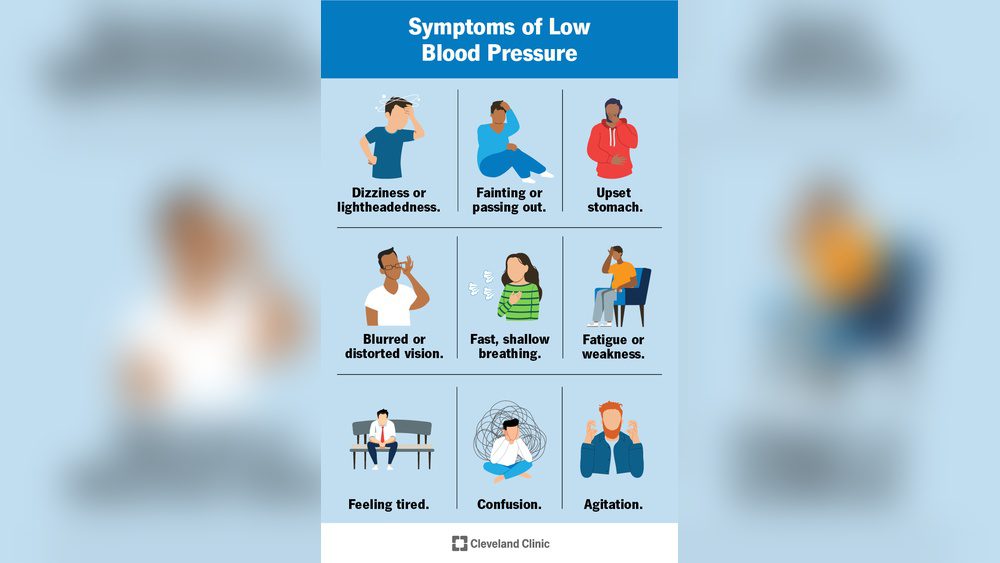
Low pressure treatment requires close attention to symptoms. Early signs can be subtle but important. Recognizing these symptoms helps manage the condition better. Some signs indicate mild issues, while others suggest severe problems. Knowing when to act quickly can prevent serious complications.
Mild Signs
Mild signs include dizziness or lightheadedness. Feeling tired or weak is common. Blurred vision may occur occasionally. Nausea or headache can appear too. These signs often happen when standing up fast. They signal your blood pressure might be low.
Severe Indicators
Severe indicators need immediate attention. Fainting or passing out is serious. Confusion or difficulty concentrating may appear. Cold, clammy skin or rapid breathing also occur. Chest pain or severe weakness can be life-threatening. These symptoms show blood flow is not enough.
When To Act Quickly
Act quickly if symptoms worsen or last long. Seek help if you faint or lose consciousness. Sudden chest pain or severe shortness of breath needs emergency care. Persistent dizziness or confusion is also urgent. Early treatment can prevent complications and improve recovery.
Lifestyle Adjustments
Adjusting daily habits plays a key role in managing low pressure treatment. Simple lifestyle changes can help stabilize blood pressure and improve overall well-being. Focus on hydration, diet, and movement to support healthy circulation and avoid sudden drops in blood pressure.
Hydration Habits
Drink water regularly throughout the day. Staying hydrated increases blood volume and helps maintain pressure. Avoid caffeinated drinks that can cause dehydration. Set reminders to drink water if needed. Carry a water bottle to encourage frequent sipping. Proper hydration reduces dizziness and fatigue linked to low pressure.
Diet Changes
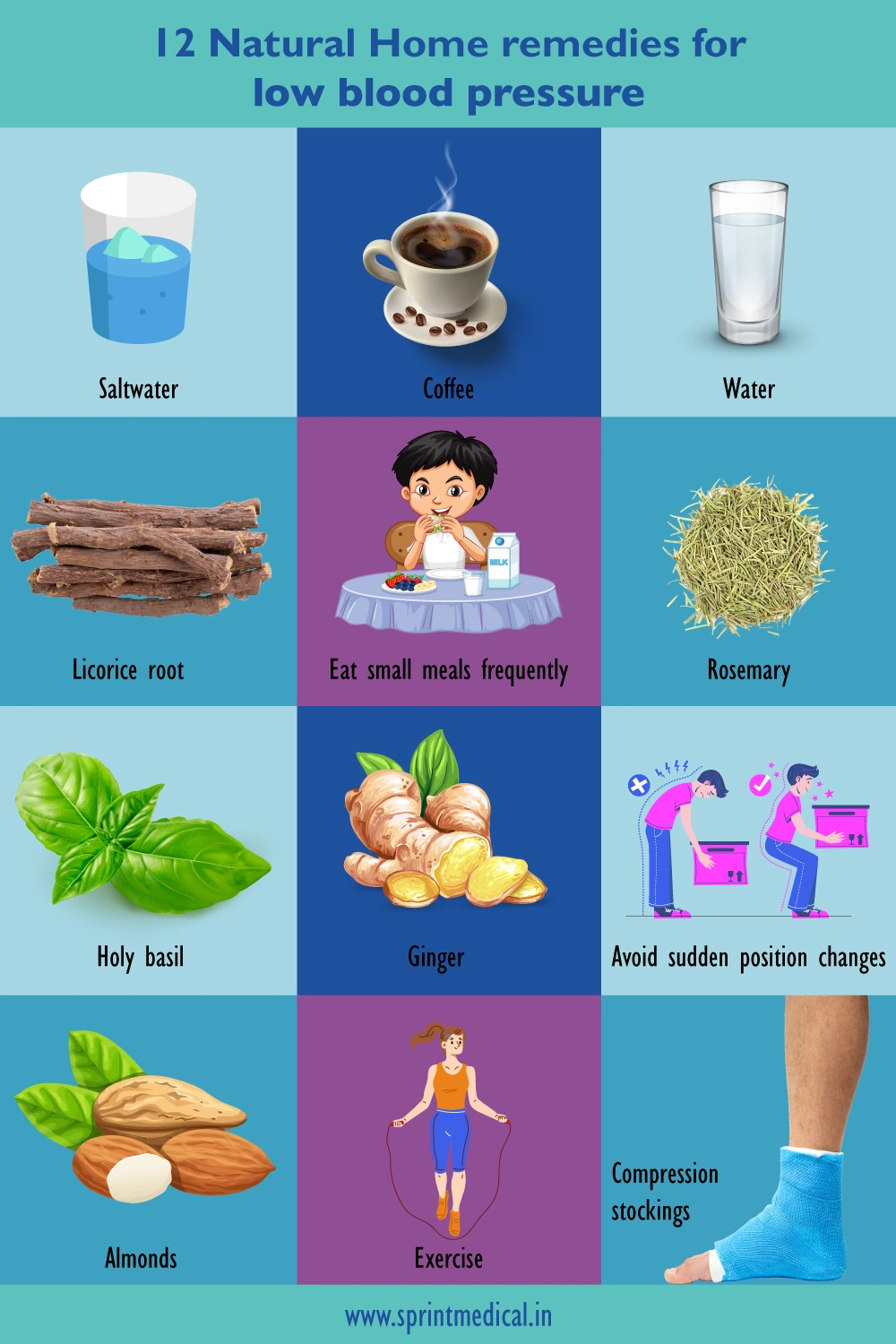
Include moderate amounts of salt in meals to support blood pressure levels. Eat small, frequent meals rather than large ones to prevent sudden drops after eating. Choose whole foods like fruits, vegetables, and lean proteins. Avoid heavy or high-carb meals that can cause tiredness. Balanced nutrition helps keep energy steady and supports heart health.
Movement Tips
Change positions slowly to avoid feeling lightheaded. Rise gradually from sitting or lying down to standing. Gentle exercises like walking or stretching improve circulation. Avoid standing still for long periods to prevent blood pooling. Wearing compression stockings can also support blood flow and reduce symptoms.
Dietary Strategies
Diet plays a crucial role in managing low blood pressure. Simple changes in what and how you eat can improve symptoms and overall health. Adjusting salt intake, meal patterns, and avoiding alcohol helps maintain stable blood pressure levels. Understanding these dietary strategies supports effective low pressure treatment.
Salt Intake Guidance
Salt helps raise blood pressure by retaining fluid in the body. People with low pressure often need more salt than usual. Choose natural salts and add moderate amounts to meals. Avoid processed foods that contain unhealthy sodium levels. Consult a healthcare provider before increasing salt intake.
Meal Frequency And Size
Eating small, frequent meals prevents sudden drops in blood pressure after eating. Large meals can cause blood to move to the digestive system, lowering pressure elsewhere. Spread meals evenly throughout the day. Include balanced nutrients like proteins, carbohydrates, and healthy fats. This approach supports steady energy and blood flow.
Avoiding Alcohol
Alcohol lowers blood pressure by dilating blood vessels. For people with low pressure, it may worsen symptoms like dizziness and fatigue. Limit or avoid alcoholic drinks to keep pressure stable. Opt for water or herbal teas to stay hydrated and support treatment goals.
Medical Treatments
Medical treatments for low pressure focus on raising blood pressure safely. Doctors select therapies based on each person’s condition. These treatments help improve blood flow and reduce symptoms like dizziness and fatigue.
Proper medical care can prevent complications linked to low blood pressure. It supports daily activities by stabilizing blood circulation.
Medications Overview
Medications may be prescribed to increase blood pressure. Some drugs help the body retain salt and water. Others tighten blood vessels to boost pressure. Doctors monitor patients closely to adjust doses as needed. Medication choice depends on the cause and severity of low pressure.
Iv Fluids And Electrolytes
Intravenous (IV) fluids are used to quickly raise blood volume. This helps improve blood flow and pressure. Electrolytes like sodium and potassium support heart and muscle function. IV treatments are common in hospital settings for sudden drops in pressure. They provide fast relief and stabilize vital signs.
Compression Stockings
Compression stockings apply gentle pressure to the legs. This helps prevent blood from pooling in lower limbs. Improved circulation raises blood pressure and reduces swelling. These stockings are easy to wear and often recommended for daily use. They support the veins and help maintain steady blood flow.

Credit: www.medanta.org
Addressing Root Causes
Low pressure treatment works best by targeting the root causes. Understanding what triggers low blood pressure helps create effective care plans. Identifying these causes allows for precise treatment and better results.
Root causes vary widely, including infections, hormone imbalances, and heart issues. Each factor demands a different approach to restore healthy blood pressure levels.
Infections And Illness
Infections can lower blood pressure by causing dehydration and spreading toxins. Illnesses like sepsis lead to dangerous drops in blood pressure. Treating infections quickly prevents further complications. Doctors may use antibiotics or fluids to stabilize patients.
Endocrine Issues
Hormone problems often affect blood pressure regulation. Conditions like thyroid disease or adrenal insufficiency disrupt hormone balance. These imbalances reduce blood vessel tone and heart function. Managing endocrine disorders with medication helps restore normal pressure.
Heart-related Conditions
Heart diseases can weaken the heart’s ability to pump blood. Low cardiac output causes blood pressure to fall. Issues like heart failure or arrhythmias interfere with circulation. Treatments focus on improving heart function and stabilizing pressure levels.
Emergency Signs
Recognizing emergency signs of low pressure treatment is vital. Low blood pressure can cause serious symptoms. Acting fast can save lives. Pay attention to warning signs. They often indicate urgent medical needs.
Chest Pain And Confusion
Chest pain may signal a heart problem. Confusion shows the brain lacks enough blood. Both symptoms require immediate care. They can worsen quickly without treatment. Do not ignore these signs.
Fainting Risks
Low pressure can cause fainting spells. Fainting increases injury risks from falls. It happens when the brain gets too little blood. Frequent fainting needs prompt medical evaluation. Safety measures should be taken at once.
When To Seek Help
Seek help if symptoms worsen or new ones appear. Sudden weakness, breathlessness, or dizziness are red flags. Persistent chest pain or severe headache needs urgent care. Always contact emergency services if unsure. Early treatment improves outcomes.
Preventive Tips
Preventing issues related to low pressure treatment is crucial for better health. Small changes in daily habits help maintain stable blood pressure. These tips are easy to follow and improve your well-being.
Slow Position Changes
Moving slowly from lying to sitting, then standing, prevents dizziness. Sudden movements can cause blood pressure to drop quickly. Take your time to allow your body to adjust. This reduces the risk of fainting and falls. Practice this habit every day, especially after resting.
Stress Reduction
Stress affects blood pressure and overall health negatively. Find ways to relax, such as deep breathing or meditation. Avoid stressful situations when possible. A calm mind supports stable blood flow and heart function. Regular breaks and good sleep also help lower stress levels.
Using Muscle Activity
Muscle movement boosts blood circulation and helps raise blood pressure. Simple exercises like walking or stretching improve muscle tone. Avoid sitting or lying still for long periods. Use your leg muscles by flexing and extending them often. This encourages blood return to the heart and prevents low pressure symptoms.
Credit: www.puertascoslada.com
Frequently Asked Questions
How Do I Increase My Blood Pressure?
Increase blood pressure by drinking more water, consuming moderate salt, and wearing compression stockings. Stand up slowly and eat small, frequent meals. Consult a doctor for medications or IV fluids if needed.
What Do You Do For Low Blood Pressure?
Increase fluid and salt intake, eat smaller meals, and rise slowly to prevent dizziness. Wear compression stockings to improve circulation. Consult a doctor for medications or IV fluids if needed.
What Is The Treatment When Bp Is Low?
Treatment for low blood pressure includes drinking more fluids, increasing salt intake, wearing compression stockings, and standing up slowly. Doctors may prescribe medications or give intravenous fluids to raise blood pressure and treat underlying causes.
How Can I Raise My Low Pressure Fast?
Lie down and drink water to quickly raise low blood pressure. Eat salty snacks and move slowly. Wearing compression stockings helps improve circulation. Avoid sudden standing to prevent dizziness. Seek medical help if symptoms worsen or persist.
Conclusion
Low pressure treatment helps manage symptoms and improve daily life. Simple steps like drinking water and moving slowly reduce dizziness. Eating small meals and adding salt can raise blood pressure safely. Compression stockings support better blood flow and prevent fainting.
Sometimes, doctors may suggest medicines or fluids to stabilize pressure. Always follow your healthcare provider’s advice for the best results. Taking care of your body with these methods can make a big difference. Stay aware, stay safe, and keep your blood pressure balanced.