
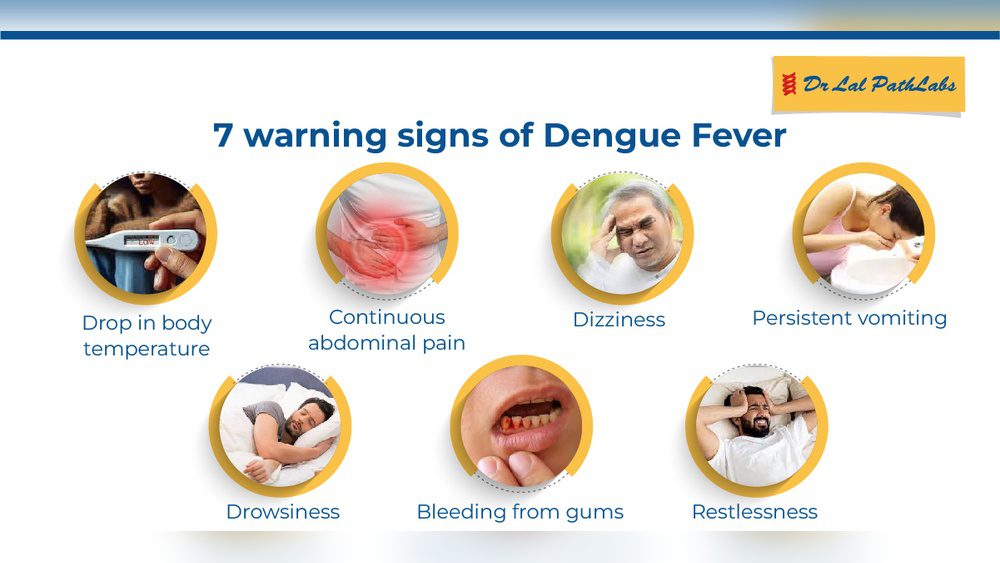
7 Warning Signs of Dengue Fever: Early Symptoms You Must Know
Are you feeling unusually tired, with a high fever that just won’t go away? It might be more than just a common illness.
Dengue fever is a serious disease that can catch you off guard if you don’t know what signs to watch for. Recognizing the early warning signs could make all the difference for your health and safety. You’ll discover 7 clear warning signs of dengue fever that you should never ignore.
Keep reading—your well-being depends on it.

Credit: www.manipalhospitals.com
What Is Dengue Fever
Dengue fever is a viral illness spread by mosquitoes. It affects millions worldwide each year. The disease causes flu-like symptoms and can become severe. Understanding dengue helps in early detection and care.
The virus spreads mainly through the Aedes aegypti mosquito. These mosquitoes bite mostly during the day. Once infected, a person can develop symptoms within a week. The illness ranges from mild to life-threatening.
What Causes Dengue Fever?
Dengue fever is caused by the dengue virus. It belongs to the Flavivirus family. There are four types of dengue virus. Infection with one type gives immunity only to that type. Mosquitoes transmit the virus from one person to another.
How Does Dengue Spread?
The Aedes mosquito bites a person with dengue. The mosquito then carries the virus. When it bites another person, it spreads the virus. The mosquito thrives in warm, humid climates. It breeds in standing water found near homes.
Who Is At Risk?
Anyone in tropical or subtropical areas can get dengue. People without immunity are more vulnerable. Children and older adults face higher risks. Travelers to affected regions may catch dengue. Urban and semi-urban areas see more cases.
How Dengue Spreads
Dengue fever spreads through the bite of infected mosquitoes. These mosquitoes carry the dengue virus. They pass it to humans during a blood meal. Understanding how dengue spreads helps in prevention.
People cannot spread dengue directly to others. The virus needs a mosquito to move from one person to another. Controlling mosquito populations is key to stopping the disease.
Transmission By Aedes Mosquitoes
The main carrier of dengue is the Aedes mosquito. It bites during the day, especially early morning and late afternoon. Only female mosquitoes bite to get blood for egg production.
Infected Mosquito Bites A Human
When an infected mosquito bites a person, it injects the dengue virus. The virus enters the bloodstream. The person then starts to feel symptoms within a few days.
Human To Mosquito Cycle
An uninfected mosquito becomes infected by biting a person with dengue. The virus stays inside the mosquito for 8 to 12 days. After that, the mosquito can infect other people.
Not Spread By Casual Contact
Dengue does not spread through touching or close contact. It is not spread by coughing or sneezing. Only the mosquito bite can transmit the virus.
Breeding Sites Increase Risk
Stagnant water helps mosquitoes breed quickly. Empty containers, pots, and old tires collect water. More breeding sites mean more mosquitoes and higher dengue risk.
Travel And Spread
Travelers can carry the dengue virus to new places. Infected mosquitoes in these areas can spread the virus. This causes outbreaks in places where dengue was rare before.
High Fever And Chills
High fever and chills are often the first signs of dengue fever. The fever usually rises quickly and can reach up to 104°F (40°C). It feels intense and can last for several days. Chills often come with the fever, making the person feel cold and shivery.
This sudden high fever can be alarming. It signals that the body is fighting the dengue virus. The chills add to the discomfort and may cause shaking or trembling. These symptoms are important to notice early.
Rapid Onset Of High Fever
The fever starts suddenly and climbs fast. It can jump from normal to very high in hours. This quick rise is a key sign of dengue infection.
Persistent Fever Lasting Several Days
The fever does not go away quickly. It stays high for two to seven days. This long-lasting fever needs attention and monitoring.
Chills Accompanying The Fever
Chills happen as the body temperature rises. The person may feel cold and shake. These chills often appear before or during the fever.
Body Temperature Fluctuations
The fever may go up and down in waves. This pattern can confuse many people. It shows the body is struggling to control the virus.
Feeling Weak And Tired
The fever and chills drain energy fast. The person may feel very weak and tired. Rest is crucial during this time to recover.
Credit: my.clevelandclinic.org
Severe Headache And Eye Pain
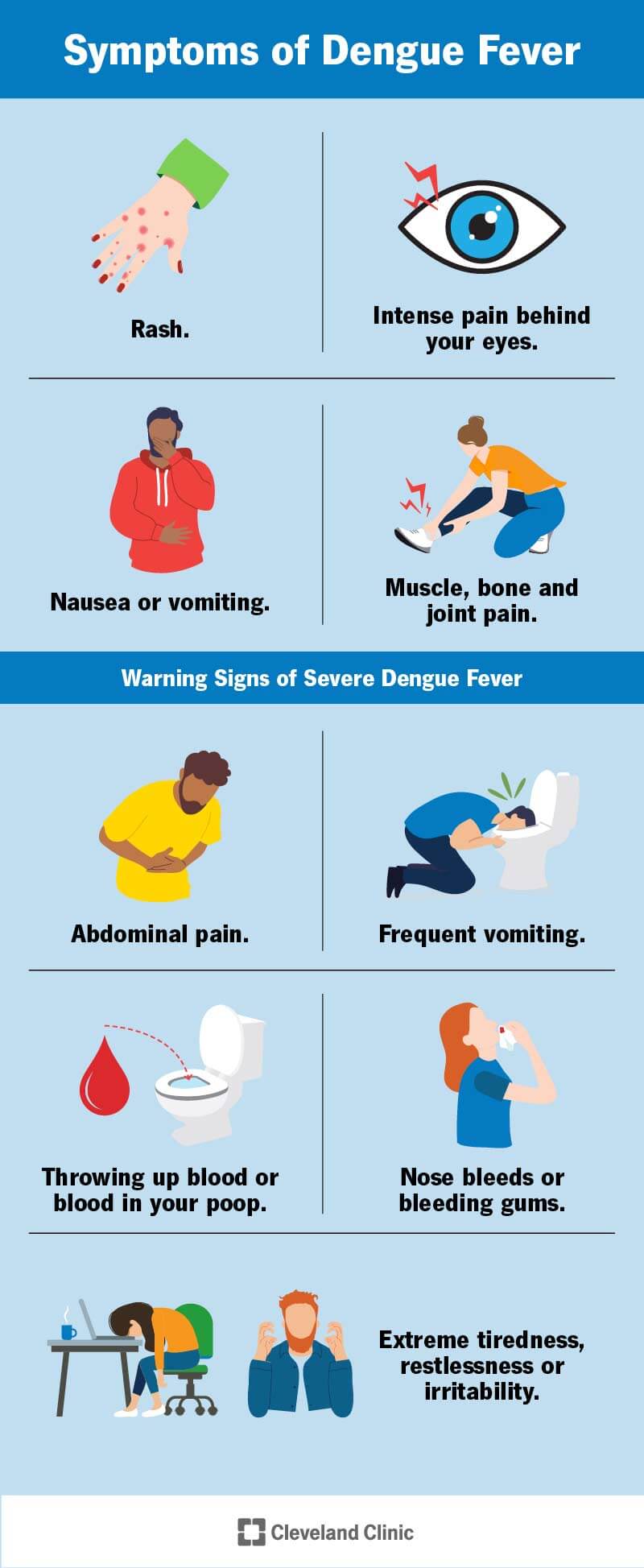
Severe headache and eye pain are key signs of dengue fever. These symptoms often appear suddenly and can be very painful. They help distinguish dengue from other common illnesses like the flu or cold.
The headache from dengue is intense and feels like pressure behind the eyes. Eye pain worsens when moving the eyes or looking at bright lights. This discomfort is a signal that the virus is affecting the body seriously.
What Causes Severe Headache In Dengue?
The dengue virus triggers inflammation in the body. This inflammation affects blood vessels and nerves in the head. It causes a strong, throbbing headache that does not go away easily.
Why Does Eye Pain Occur?
Eye pain happens because the virus attacks tissues around the eyes. The pressure and swelling cause sharp pain with eye movement. This symptom often appears early in dengue infection.
How To Recognize Dangerous Headache And Eye Pain
Watch for headache that is sudden and severe. Pain behind the eyes that worsens with movement is a warning. These signs need medical attention to prevent complications.
What To Do If You Experience These Symptoms
Rest in a dark, quiet room to reduce pain. Drink fluids to stay hydrated. See a doctor quickly for proper diagnosis and care.
Muscle And Joint Aches
Muscle and joint aches are common signs of dengue fever. These pains can feel very strong and uncomfortable. They often start early in the illness and last for several days.
The aches make moving difficult. Simple tasks like walking or lifting objects can become painful. This symptom is sometimes called “breakbone fever” because of how intense the pain feels.
How Muscle And Joint Aches Develop
The dengue virus causes inflammation in muscles and joints. This inflammation leads to swelling and pain. The body’s immune response also adds to the discomfort.
Where The Pain Usually Occurs
Pain often affects the arms, legs, and back. Joints like knees, wrists, and ankles hurt the most. Muscle soreness can spread to other body parts too.
Difference From Regular Aches
Dengue pains are sharper and more severe than normal muscle aches. They can start suddenly and worsen quickly. Rest does not always relieve this pain.
When To See A Doctor
Seek medical help if aches are very severe. Also, if pain lasts more than a week. Early treatment can prevent complications.
Credit: www.cdc.gov
Skin Rash And Red Spots
Skin rash and red spots often appear as early signs of dengue fever. These marks usually develop a few days after the fever starts. They can look like tiny red dots or larger blotches on the skin. The rash may spread across the body and cause mild itching or discomfort. Noticing these skin changes can help identify dengue fever quickly.
Appearance Of The Rash
The rash often begins on the chest and spreads to the limbs and face. It can look like small red dots or raised spots. The skin may feel rough or bumpy in the affected areas. This rash is different from common allergic reactions.
Timing Of Rash Development
The rash usually appears 3 to 5 days after the fever starts. It may come and go during the illness. Sometimes, the rash can appear after the fever fades, signaling a new phase of dengue.
Difference From Other Skin Conditions
Dengue rash is often accompanied by other symptoms like fever and body pain. It does not cause blistering like chickenpox. The red spots do not turn into pus-filled bumps.
When To See A Doctor
Seek medical help if the rash spreads quickly or worsens. Watch for bleeding under the skin or unusual bruising. These signs might mean severe dengue and need urgent care.
Nausea And Vomiting
Nausea and vomiting are common signs that may appear in dengue fever cases. These symptoms often start early and can worsen quickly. They signal that the body is reacting to the infection and may need immediate care.
Feeling sick to the stomach is more than just discomfort. It can lead to dehydration, which makes recovery harder. Vomiting also prevents the body from keeping fluids and nutrients needed to fight the illness.
Nausea As An Early Symptom
Nausea often appears soon after fever begins. It can feel like a constant upset stomach or sudden waves of sickness. This symptom warns that dengue virus is affecting the digestive system.
Vomiting And Its Risks
Vomiting can be frequent and severe in dengue patients. It causes loss of fluids and important salts from the body. Without enough fluids, serious complications may develop quickly.
Seek medical care if vomiting does not stop or worsens. Persistent vomiting can cause dangerous dehydration and weakness. Early treatment can prevent severe outcomes and aid faster recovery.
Fatigue And Weakness
Fatigue and weakness are common signs of dengue fever. These symptoms often appear early and can last for several days. They can make daily activities difficult and cause a feeling of constant tiredness.
Fatigue from dengue is more than just feeling sleepy. It is a deep, overwhelming tiredness that rest does not fix. This weakness can affect muscles and joints, making movement painful and slow.
Why Fatigue Happens In Dengue Fever
The dengue virus attacks the body’s immune system. It causes inflammation and reduces the number of blood cells. This lowers oxygen supply to muscles and organs, leading to fatigue and weakness.
How To Recognize Fatigue And Weakness
Notice if you feel tired without reason. Simple tasks become hard. Muscle pain and heaviness may come with the tiredness. You may also feel dizzy or faint.
Seek help if fatigue worsens quickly. If weakness stops you from standing or walking, see a doctor. Persistent tiredness with other dengue symptoms needs urgent care.
When To Seek Medical Help
Dengue fever can start with mild symptoms but may quickly become serious. Knowing when to seek medical help is very important. Early care can prevent complications and save lives.
Watch for signs that show the illness is getting worse. Do not wait too long to get help. Some symptoms need immediate medical attention.
High Fever Lasting More Than Two Days
A fever above 102°F (39°C) that lasts more than two days needs a doctor’s check. It could mean the infection is severe or complications are developing.
Severe Headache Or Pain Behind The Eyes
Strong headaches or pain behind the eyes are common in dengue. If the pain gets worse or does not go away, see a healthcare provider.
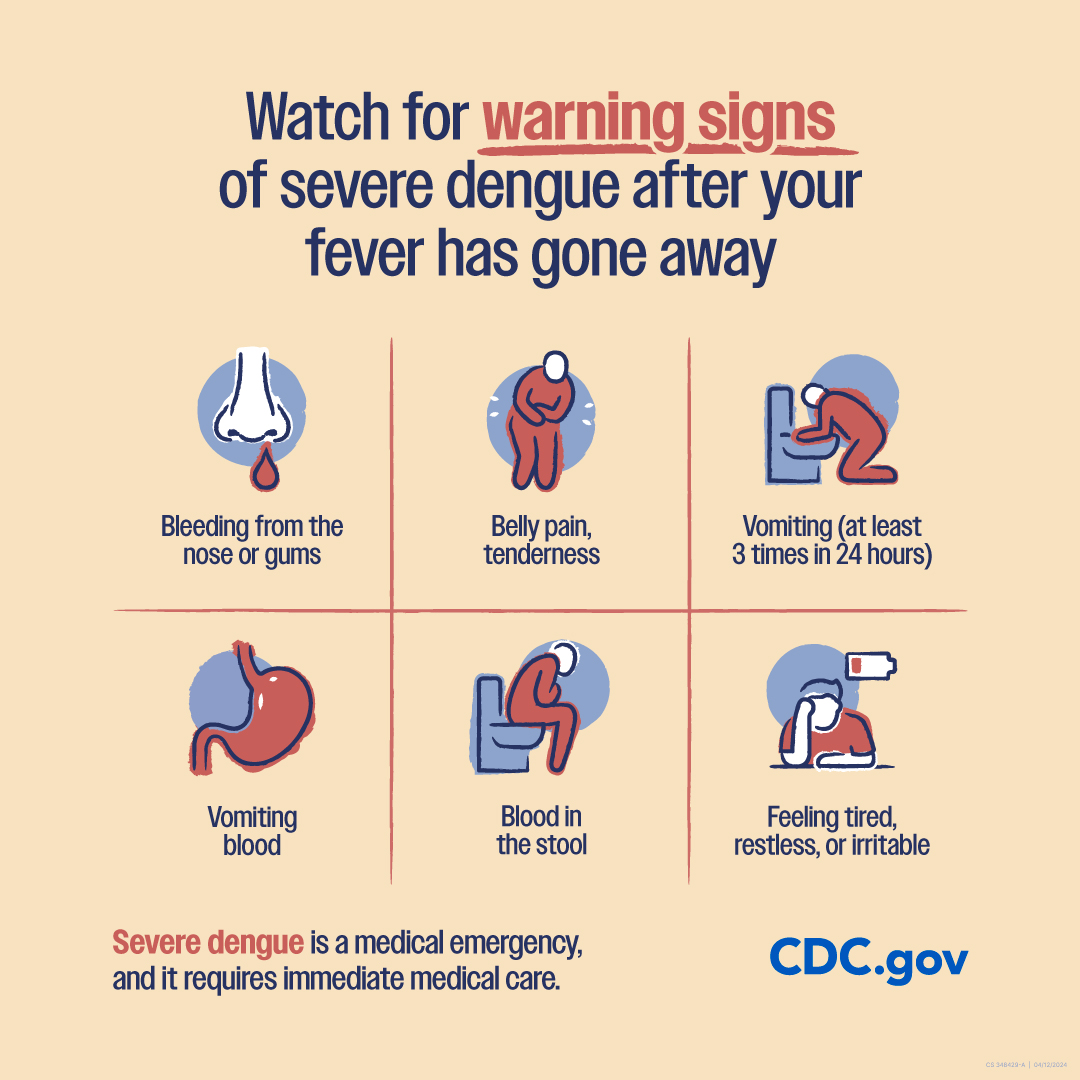
Bleeding From Nose Or Gums
Any bleeding from the nose or gums is a serious warning. This could indicate low platelet levels and risk of severe dengue. Immediate medical help is necessary.
Persistent Vomiting Or Stomach Pain
Keep an eye on vomiting that does not stop or severe stomach pain. These are signs that dengue may be affecting internal organs. Visit a clinic promptly.
Difficulty Breathing Or Rapid Breathing
Breathing problems or very fast breathing require urgent medical care. These symptoms could point to dengue shock syndrome or fluid buildup in the lungs.
Extreme Fatigue Or Weakness
Feeling very weak or tired beyond normal illness is a red flag. It may mean the body is struggling against the virus. Seek help to avoid danger.
Signs Of Shock: Cold, Clammy Skin And Pale Face
Shock signs include cold, clammy skin and a pale face. This condition is life-threatening. Call emergency services or go to the hospital immediately.
Frequently Asked Questions
What Are The Early Symptoms Of Dengue Fever?
Early symptoms of dengue include high fever, severe headache, and pain behind the eyes. You may also experience joint and muscle pain, rash, and mild bleeding like nose or gum bleeding.
How Quickly Do Dengue Symptoms Appear?
Dengue symptoms usually appear 4 to 10 days after a mosquito bite. This period is called the incubation period, during which the virus multiplies inside the body.
When Should I Seek Medical Help For Dengue?
Seek medical help if you have persistent vomiting, severe abdominal pain, difficulty breathing, or bleeding. These signs may indicate severe dengue, which requires immediate treatment.
Can Dengue Fever Be Prevented?
Yes, dengue can be prevented by avoiding mosquito bites. Use insect repellent, wear protective clothing, and eliminate standing water where mosquitoes breed.
Conclusion
Recognizing dengue fever signs early can save lives. High fever, severe headaches, and rash need quick attention. Watch for bleeding and persistent vomiting as serious signs. Seek medical help without delay if symptoms worsen. Protect yourself by avoiding mosquito bites every day.
Awareness and prompt action reduce risks greatly. Stay safe, stay informed, and act fast.