
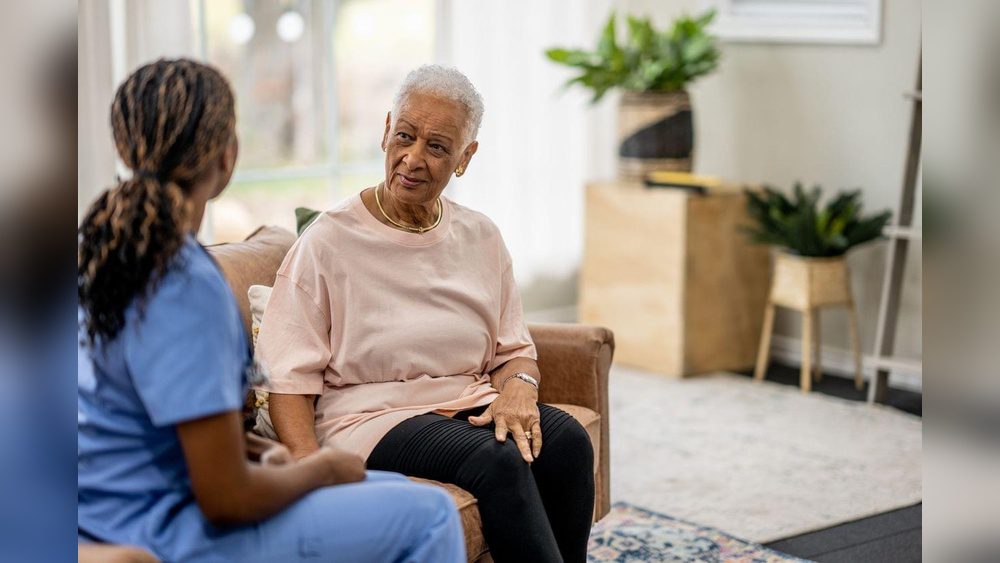
Dementia Patient Care at Home: Essential Tips & Strategies
Caring for a loved one with dementia at home can feel overwhelming and challenging. You might feel a mix of emotions—love, worry, and a strong desire to provide the best care possible.
It’s a journey that requires patience, understanding, and the right strategies to ensure both you and your loved one can thrive. Imagine having the tools and insights to transform daily struggles into meaningful connections. In this guide, we will explore practical tips and compassionate approaches to help you navigate the path of dementia care at home.
Let’s dive in to uncover how you can make this experience more manageable and rewarding, creating a nurturing environment for your loved one.
Home Care Essentials
Caring for someone with dementia at home requires patience and understanding. Dementia affects memory, thinking, and behavior. Family members often need guidance on how to support their loved ones. Creating a safe environment and ensuring comfort are vital. This guide covers essential aspects of home care for dementia patients.
Understanding The Condition
Dementia is not a specific disease. It’s a term for a group of symptoms affecting memory and thinking. Symptoms can vary from person to person. Common signs include memory loss and difficulty concentrating. Early detection is important for better management. Knowing the symptoms helps in providing better care.
- Remove tripping hazards like rugs and clutter.
- Install grab bars in bathrooms for safety.
- Ensure proper lighting in all rooms.
- Secure doors and windows to prevent wandering.
Establishing A Routine
Routines provide comfort for dementia patients. Consistency helps reduce anxiety and confusion. Plan daily activities like meals and exercises. Simple tasks like dressing can become easier with a routine. Stick to regular sleep times to help regulate their body clock.
Encouraging Social Interaction
Social interaction is crucial for mental health. Encourage visits from friends and family. Participate in group activities like games or crafts. Join support groups for both patients and caregivers. Communication helps in understanding their needs and emotions.
| Essential Nutrient | Benefits |
|---|---|
| Proteins | Supports muscle strength. |
| Vitamins | Boosts immune system. |
| Fiber | Aids digestion. |
| Water | Prevents dehydration. |
Behavioral changes are common in dementia. Patience is key in handling these changes. Redirect negative behavior by using distractions. Stay calm and speak softly to them. Avoid arguments and focus on their feelings. Seek professional advice for severe cases.
Creating A Safe Environment
Dementia care at home requires patience and understanding. It’s vital to create a safe environment for those living with dementia. This ensures comfort and minimizes risks. A secure home can help maintain a sense of independence. It also reduces anxiety for both patients and caregivers. Adjusting the home environment can make a significant difference in their daily lives.
Eliminating Hazards
Safety is a top priority when caring for someone with dementia. Identifying and removing hazards can prevent accidents. Here are some common hazards to consider:
- Clear walkways:Remove clutter and ensure all paths are clear.
- Secure rugs:Use non-slip mats or tape to prevent slipping.
- Install grab bars:Place them in bathrooms and along stairs for support.
- Check lighting:Ensure rooms are well-lit to avoid falls.
- Lock cabinets:Keep dangerous items like cleaning supplies out of reach.
Regular checks are essential. Hazards can appear over time. Regularly reviewing the home environment helps maintain safety. Consider using a checklist to stay organized. This proactive approach keeps everyone safe and secure.
Organizing Space
An organized space supports a calm and stable environment. It can ease daily routines and reduce stress for dementia patients. Here are some tips for organizing spaces effectively:
- Keep it simple:Avoid excessive decorations or busy patterns.
- Label drawers and cabinets:Use pictures and words for easy identification.
- Arrange furniture logically:Ensure easy access and avoid sharp corners.
- Designate specific areas:Create clear zones for different activities.
Consistent organization is key. Keep items in familiar places. This helps patients feel secure and confident. Maintaining an organized space can greatly impact their quality of life. It supports their ability to engage in daily tasks independently.
Daily Routine Management
Dementia patient care at home requires patience and understanding. Creating a daily routine can help manage their symptoms and improve their quality of life. A structured routine offers a sense of security and reduces anxiety. It also helps caregivers manage their tasks effectively. This blog post explores the importance of daily routine management for dementia patients. We will discuss methods to establish consistency and incorporate meaningful activities.
Establishing Consistency
Consistency is key in dementia care. A regular schedule helps patients feel safe. It reduces confusion and stress. Here are some ways to establish consistency:
- Set specific times for meals, medication, and sleep.
- Use visual aids like calendars or clocks to remind patients of daily tasks.
- Create a daily checklist for caregivers to follow.
Consistency not only helps patients but also supports caregivers. It allows them to plan their day. Predictable routines make it easier to identify changes in behavior or health.
Below is a simple table outlining a daily routine:
| Time | Activity |
|---|---|
| 7:00 AM | Wake up and personal hygiene |
| 8:00 AM | Breakfast |
| 9:00 AM | Medication |
| 12:00 PM | Lunch |
| 1:00 PM | Relaxation time |
| 6:00 PM | Dinner |
| 8:00 PM | Bedtime |
Incorporating Activities
Activities keep dementia patients engaged and active. They help improve mood and stimulate the mind. Here are some ideas to incorporate into daily routines:
- Physical exercises like walking or light stretching.
- Creative activities such as drawing or painting.
- Memory games to enhance cognitive functions.
Activities should be tailored to the patient’s interests and abilities. Avoid complex tasks that may frustrate them. Regular interaction is vital. It promotes emotional well-being.
Caregivers can also include group activities. This encourages social interaction. Watching favorite shows or listening to music can be calming. Always monitor the patient’s response to activities. Adjust them as needed to ensure comfort and enjoyment.
Communication Strategies
Dementia patient care at home requires patience and understanding. Many families face challenges when trying to communicate effectively with loved ones affected by dementia. Communication strategies play a critical role in easing these challenges and making everyday interactions more meaningful. Simple language and non-verbal cues can greatly improve communication, ensuring that your loved one feels heard and supported.
Using Simple Language
Simple language is essential when speaking with dementia patients. Using clear and straightforward words helps them understand better and reduces confusion. Here are some tips for using simple language effectively:
- Keep sentences short and to the point.
- Use familiar words that your loved one knows.
- Avoid complex explanations; simplicity is key.
- Repeat important information if necessary.
- Ask yes or no questions to simplify responses.
Visual aids can also support simple language. For example, pictures or objects can help in explaining something. It’s also helpful to use names when referring to people or objects. This reduces confusion and makes communication smoother.
| Strategy | Benefit |
|---|---|
| Short Sentences | Easy to understand |
| Familiar Words | Reduces confusion |
| Visual Aids | Supports clarity |
Non-verbal Cues
Non-verbal cues are powerful in communicating with dementia patients. These cues include gestures, facial expressions, and body language. They often convey more than words can. Here are ways to use non-verbal communication effectively:
- Maintain eye contact to show attention.
- Use gentle touch to express care and reassurance.
- Smile to create a positive atmosphere.
- Nod to show understanding and agreement.
Observe your loved one’s non-verbal cues too. Their facial expressions or body movements can tell you how they feel. Responding to these cues can make them feel understood and valued.
Non-verbal cues help in building trust and connection. They often speak louder than words and play a vital role in effective communication with dementia patients. By using these cues thoughtfully, you can enhance the quality of interaction with your loved one.
Nutrition And Hydration
Caring for a dementia patient at home involves several important aspects. One key area is ensuring proper nutrition and hydration. These elements play a significant role in maintaining health and preventing complications. Dementia can affect a person’s ability to recognize hunger or thirst. It might also impact their ability to eat and drink. Caregivers need to be aware of these challenges and plan accordingly. Proper meal planning and encouraging fluid intake can make a big difference. It’s crucial for caregivers to establish a routine that suits the patient’s needs. This routine should be easy to follow and maintain.
Meal Planning
Effective meal planning is essential for dementia patients. It helps ensure they receive the necessary nutrients. Balanced diets can improve cognitive function and overall well-being. Simple meals are often the best choice. They are easier to prepare and eat. Variety is also important to prevent boredom. Here are some tips for meal planning:
- Include colorful fruits and vegetables in meals. They are rich in vitamins.
- Focus on whole grains like brown rice and oats. They provide energy.
- Choose lean proteins such as chicken and fish. They support muscle health.
Creating a structured meal schedule can be beneficial. A table can help caregivers plan meals:
| Meal | Time | Options |
|---|---|---|
| Breakfast | 8:00 AM | Oatmeal with berries, scrambled eggs |
| Lunch | 12:00 PM | Grilled chicken salad, whole grain bread |
| Dinner | 6:00 PM | Baked salmon, steamed vegetables |
Encouraging Fluid Intake
Staying hydrated is vital for dementia patients. It helps maintain bodily functions and prevent dehydration. Dementia can make it hard for patients to recognize thirst. Caregivers should encourage regular drinking. Different strategies can be employed:
- Offer fluids frequently throughout the day. Small sips work well.
- Use favorite cups or glasses to make drinking appealing.
- Keep track of fluid intake using a chart or diary.
Different fluid options can be provided to keep hydration interesting:
| Type | Options |
|---|---|
| Water | Plain, flavored with lemon or mint |
| Juices | Apple, orange, cranberry |
| Herbal Teas | Chamomile, peppermint, ginger |
Regular reminders and prompts can be helpful. Using visual cues like charts or alarms can support fluid intake. Encourage social drinking moments. Sharing drinks together can make it a pleasant routine.
Engaging With Caregivers
Caring for dementia patients at home can be a challenging task. Engaging with caregivers plays a crucial role in ensuring that patients receive the best care. It involves understanding the needs of both the patient and the caregiver. This relationship is vital for creating a supportive environment. Families often feel overwhelmed. They may struggle to find the right resources. Connecting with caregivers can ease this burden. It provides a framework for effective home care.
Finding Support
Support is essential for caregivers managing dementia patients at home. Many caregivers face stress and burnout. They need reliable support systems. Here are some ways to find support:
- Join a support group:Many communities offer support groups for caregivers. These groups provide a space to share experiences and advice.
- Seek professional advice:Consulting with healthcare professionals can provide valuable insights. They can offer strategies for managing care at home.
- Utilize online forums:Online platforms can connect caregivers across the globe. These forums are a source of information and emotional support.
Caregivers can also benefit from respite care services. These services offer temporary relief. They allow caregivers to rest and recharge. Local community centers often provide these resources. Understanding available support can greatly improve the caregiving experience.
Training Opportunities
Proper training is vital for those caring for dementia patients. Training helps caregivers understand the disease better. It equips them with the skills needed for effective care. Here are some training opportunities:
| Training Type | Description |
|---|---|
| Workshops | Interactive sessions that cover various aspects of dementia care. |
| Online courses | Flexible learning options that caregivers can complete at their own pace. |
| Certification programs | Formal education that provides a comprehensive understanding of dementia. |
Training enhances the quality of care provided at home. It builds confidence in caregivers. They learn to handle challenging situations effectively. Accessing training resources is easier now than ever before. Many organizations offer free or low-cost options. These opportunities are crucial for any caregiver’s journey.
Managing Behavioral Changes
Taking care of someone with dementia at home can be challenging. One of the biggest challenges is managing behavioral changes. These changes can be stressful for both the patient and their caregivers. Understanding these changes can improve the quality of life for everyone involved. Recognizing the triggers and knowing how to cope can make a big difference.
Identifying Triggers
Behavioral changes in dementia patients often have triggers. Identifying these triggers is crucial in managing behaviors effectively. Sometimes, triggers can be related to the environment. Other times, they may be linked to emotional or physical discomfort. Here are some common triggers:
- Changes in environment: Moving furniture or changing routines.
- Physical discomfort: Pain, hunger, or tiredness.
- Social factors: Crowded places or unfamiliar faces.
- Emotional stress: Feeling lonely or sad.
Understanding these triggers can help caregivers take steps to prevent or reduce behavioral issues. Observing the patient closely can provide insights into what might be causing distress. Keeping a diary of behaviors and events can also be useful. This can help in identifying patterns and potential triggers.
Coping Mechanisms
Once triggers are identified, caregivers can use coping mechanisms to manage behavior changes. Effective coping strategies can significantly improve the living environment. Here are some methods:
- Establishing routines: Keep daily activities predictable and regular.
- Creating a calming environment: Reduce noise and clutter.
- Using distraction techniques: Engage the patient in activities they enjoy.
- Providing reassurance: Offer comfort and understanding.
These strategies can help reduce stress for both patient and caregiver. Communication is also key in managing behaviors. Speak in a calm, clear, and gentle manner. Sometimes, offering choices can empower the patient and reduce frustration. Seeking professional help may also be necessary for severe cases. A health professional can provide guidance tailored to the patient’s needs.
Why Choose Us?
Caring for dementia patients at home can be challenging. It requires patience and understanding. Choosing the right care service is crucial. We provide personalized care that meets your loved one’s needs. Our team is dedicated and trained to offer the best support. With us, families find peace of mind knowing their loved ones are in good hands.
Experienced Caregivers
Our caregivers are experienced in handling dementia patients. They understand the complexity of dementia. They are trained to provide compassionate care. We ensure that caregivers are patient and gentle. They focus on building strong relationships with patients.
Personalized Care Plans
Every patient is unique. We create customized care plans. These plans address specific needs and preferences. Regular assessments ensure the plan remains effective. We involve families in the planning process. This ensures everyone is on the same page.
24/7 Support
Our services include round-the-clock support. Families can reach us anytime. Caregivers are available day and night. We provide immediate assistance when needed. This helps families feel secure and supported.
Comfort Of Home
Patients feel more comfortable at home. Familiar surroundings reduce anxiety. We focus on creating a positive environment. Home care allows patients to maintain routine activities. It promotes independence and dignity.
Affordable Services
We offer affordable care options. Families can choose services that fit their budget. We believe that quality care should be accessible to all. Our pricing is transparent with no hidden fees.
Technology In Care
Dementia is a condition that can change how the brain works. It affects memory, thinking, and behavior. Caring for a dementia patient at home can be challenging. But with the help of technology, it can become easier. Technology in care offers many tools to help families. It can improve safety and communication. Let’s explore some of these technologies.
Monitoring Tools
Monitoring tools help keep dementia patients safe at home. They allow caregivers to track the patient’s movements and activities. This is important because patients can forget where they are. Or they might wander away from home. Using these tools can give caregivers peace of mind.
Here are some popular monitoring tools:
- GPS Trackers:These devices help locate a patient if they wander.
- Motion Sensors:They detect movement and send alerts if needed.
- Smart Cameras:These cameras let caregivers watch the patient remotely.
Monitoring tools can be part of a smart home system. Such systems can include:
| Tool | Purpose |
|---|---|
| Door Alarms | Alert when a door is opened unexpectedly. |
| Bed Sensors | Notify when a patient leaves the bed. |
Communication Devices
Communication is key when caring for dementia patients. They might have trouble expressing themselves. Or they may not understand others. Communication devices can help bridge this gap. These devices assist in making communication clear and simple.
Some effective communication devices include:
- Picture Phones:Phones with images help patients dial numbers easily.
- Voice Assistants:Devices like Alexa can help with reminders.
- Video Calling Apps:They allow face-to-face conversations with family.
These devices support both patients and caregivers. They can reduce stress and improve relationships. Ensuring easy communication keeps patients engaged. It helps them feel more connected to their loved ones.
Respite Care Options
Dementia affects many families. Caring for a loved one with dementia at home can be challenging. It requires patience, understanding, and a lot of time. Respite care options provide relief for caregivers. These options offer temporary support. They help manage daily tasks and give caregivers a break. Respite care ensures that patients receive proper attention. It allows caregivers to recharge and improve their well-being.
In-home Services
In-home services are a popular choice for dementia care. They offer familiar surroundings and personalized attention. Here are some benefits:
- Personalized care tailored to the patient’s needs.
- Comfort of home without needing to move.
- Flexible schedules that fit family routines.
Many families prefer in-home services for dementia care. These services include professional caregivers. Caregivers help with daily activities. They assist with bathing, dressing, and cooking. They also provide companionship. This support helps improve the patient’s mood. It reduces stress for both the patient and the family. Here is a table showing common in-home services:
| Service Type | Description |
|---|---|
| Personal Care | Assistance with hygiene and grooming. |
| Home Health | Medical care by trained nurses. |
| Companionship | Social interaction and activities. |
Adult Day Programs
Adult day programs offer supervised care during the day. These programs are ideal for social engagement. They provide structured activities for dementia patients. Here are some key features:
- Safe environment for patients to interact.
- Engaging activities to stimulate the mind.
- Nutrition and meals catered to dietary needs.
Adult day programs give caregivers much-needed rest. They ensure patients are active and entertained. Programs include games, arts, and music. These activities help improve cognitive function. They also enhance emotional well-being. Here is what a typical adult day program offers:
| Activity Type | Benefits |
|---|---|
| Exercise | Improves physical health and strength. |
| Art Therapy | Boosts creativity and emotional expression. |
| Music Sessions | Enhances mood and memory recall. |
Frequently Asked Questions
How Can I Make My Home Safe For Dementia Care?
Creating a safe home for dementia patients involves removing hazards. Install grab bars in bathrooms and ensure good lighting. Use locks or alarms on doors to prevent wandering. Keep pathways clear and remove tripping hazards. Label important items and rooms to aid navigation and reduce confusion.
What Activities Are Beneficial For Dementia Patients At Home?
Engaging activities can improve mood and cognitive function. Simple puzzles, arts and crafts, and music therapy are beneficial. Encourage light physical activities like walking or gardening. Reminiscing through photo albums can be comforting. Choose activities that match the patient’s interests and abilities for maximum enjoyment.
How Do I Manage Daily Routines For Dementia Care?
Consistency is key in managing daily routines. Create a structured schedule for meals, medications, and activities. Use visual aids to help patients understand the routine. Break tasks into simple steps to avoid confusion. Regular routines can reduce anxiety and help dementia patients feel more secure.
What Dietary Considerations Should Be Made For Dementia Patients?
Dementia patients benefit from a balanced, nutritious diet. Incorporate foods rich in omega-3 fatty acids, antioxidants, and vitamins. Offer small, frequent meals if appetite is an issue. Ensure proper hydration throughout the day. Avoid processed foods and excessive sugars, as they can affect mood and cognition.
Conclusion
Caring for a dementia patient at home can be rewarding. It requires patience, understanding, and love. Create a safe and familiar environment. Stay organized with daily routines. Encourage activities that stimulate the mind. Regular communication with healthcare professionals is essential.
Support groups can offer valuable advice and comfort. Remember to care for yourself too. A balanced approach benefits everyone involved. Small steps make a big difference in care. Keep learning and adapting to new challenges. Together, you can create a nurturing space for your loved one.