
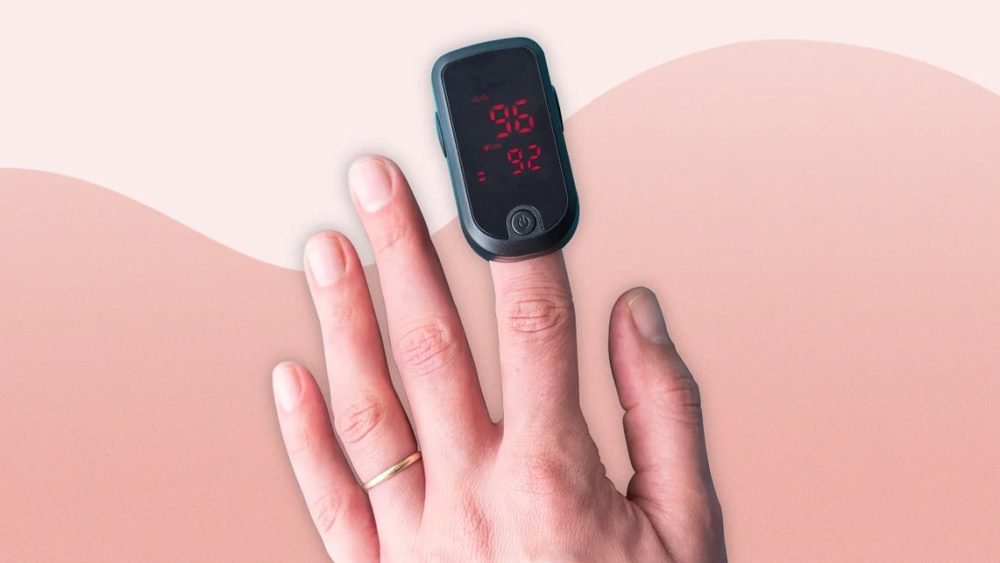
How to Check Oxygen Level With a Pulse Oximeter: Easy Guide
What is a Pulse Oximeter?
A pulse oximeter is a small device. It checks oxygen levels in your blood. It also measures your heart rate. This device is simple to use. Many people have one at home.
Why is Oxygen Level Important?
Oxygen is vital for life. Our bodies need it to work properly. Low oxygen can make you feel tired. Very low oxygen can be dangerous. It can make you very sick.
How Does a Pulse Oximeter Work?
The oximeter uses light. It shines through your finger. The device measures how much light comes out. This tells how much oxygen is in your blood.
Parts of a Pulse Oximeter
- Display Screen: Shows oxygen level and heart rate.
- Probe: The part you place on your finger.
- Power Button: Turns the device on and off.
How to Use a Pulse Oximeter?
Using a pulse oximeter is simple. Follow these steps:
- Find a comfortable spot. Sit down and relax.
- Turn on the pulse oximeter.
- Place the probe on your finger. Use your index or middle finger.
- Wait a few seconds. Stay still for best results.
- Read the numbers on the screen. The first number is your oxygen level. The second is your heart rate.
What Do the Numbers Mean?
The oxygen level is shown as a percentage. Normal levels are usually between 95% and 100%. If your level is below 90%, you may need medical help.
The heart rate is the number of beats per minute. A normal heart rate for adults is 60 to 100 beats per minute. Children have a higher heart rate.
Tips for Accurate Readings
Here are some tips for using a pulse oximeter:
- Keep your hand still. Movement can change the results.
- Remove nail polish. It can block the light.
- Warm your hands. Cold fingers can give false readings.
- Check the battery. A low battery can affect the results.
When to Check Your Oxygen Level?
Check your oxygen level if you feel unwell. Some signs to look for include:
- Feeling short of breath.
- Being very tired.
- Having chest pain.
- Feeling confused.
People with certain health conditions should check regularly. This includes those with lung or heart problems.
Benefits of Using a Pulse Oximeter
A pulse oximeter has many benefits:
- Easy to use at home. No need for doctor visits.
- Quick results. You get numbers in seconds.
- Helps monitor your health. You can see changes over time.
- Peace of mind. You know your oxygen level anytime.
Frequently Asked Questions
How Do I Use A Pulse Oximeter Correctly?
Place it on your fingertip. Relax your hand. Wait for a steady reading.
What Is A Normal Oxygen Level Reading?
Normal oxygen levels range from 95% to 100%. Below 90% is low.
Can Nail Polish Affect Readings?
Yes, dark nail polish can interfere. Remove it for accurate results.
How Often Should I Check My Oxygen Level?
Check if feeling unwell or advised by a doctor. Not daily unless necessary.
Conclusion
A pulse oximeter is a handy tool. It helps you check your oxygen levels. Knowing your oxygen level is important. It helps you stay healthy. Follow the steps to use the device. Remember the tips for accurate readings. Stay aware of your body’s signals.